


NEWS

6 Aug 2025 - The enemy within
|
The enemy within Canopy Investors July 2025 "The investor's chief problem -- and even his worst enemy -- is likely to be himself."
|
|
Funds operated by this manager:
|
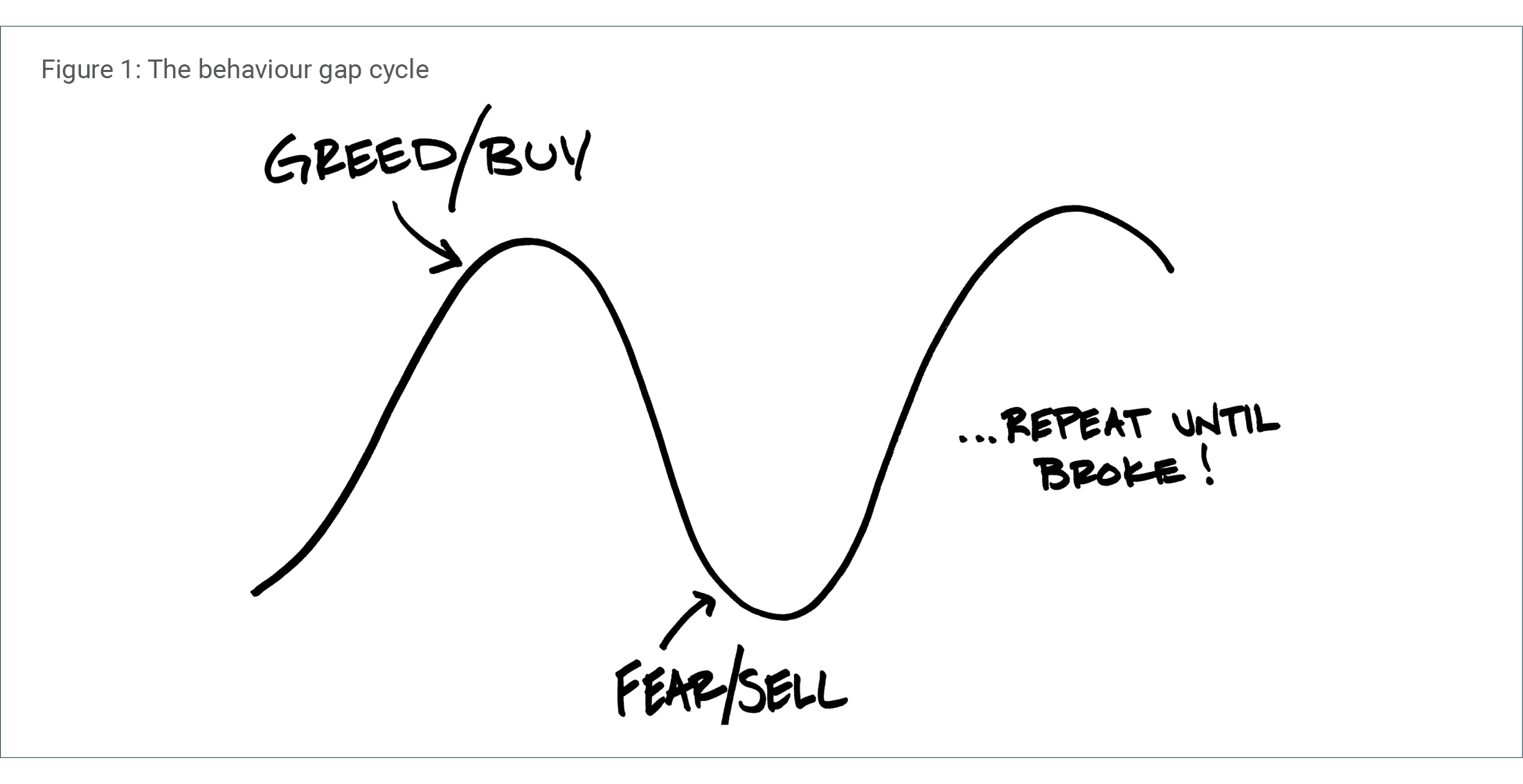 Source: The Behaviour Gap, Carl Richards.
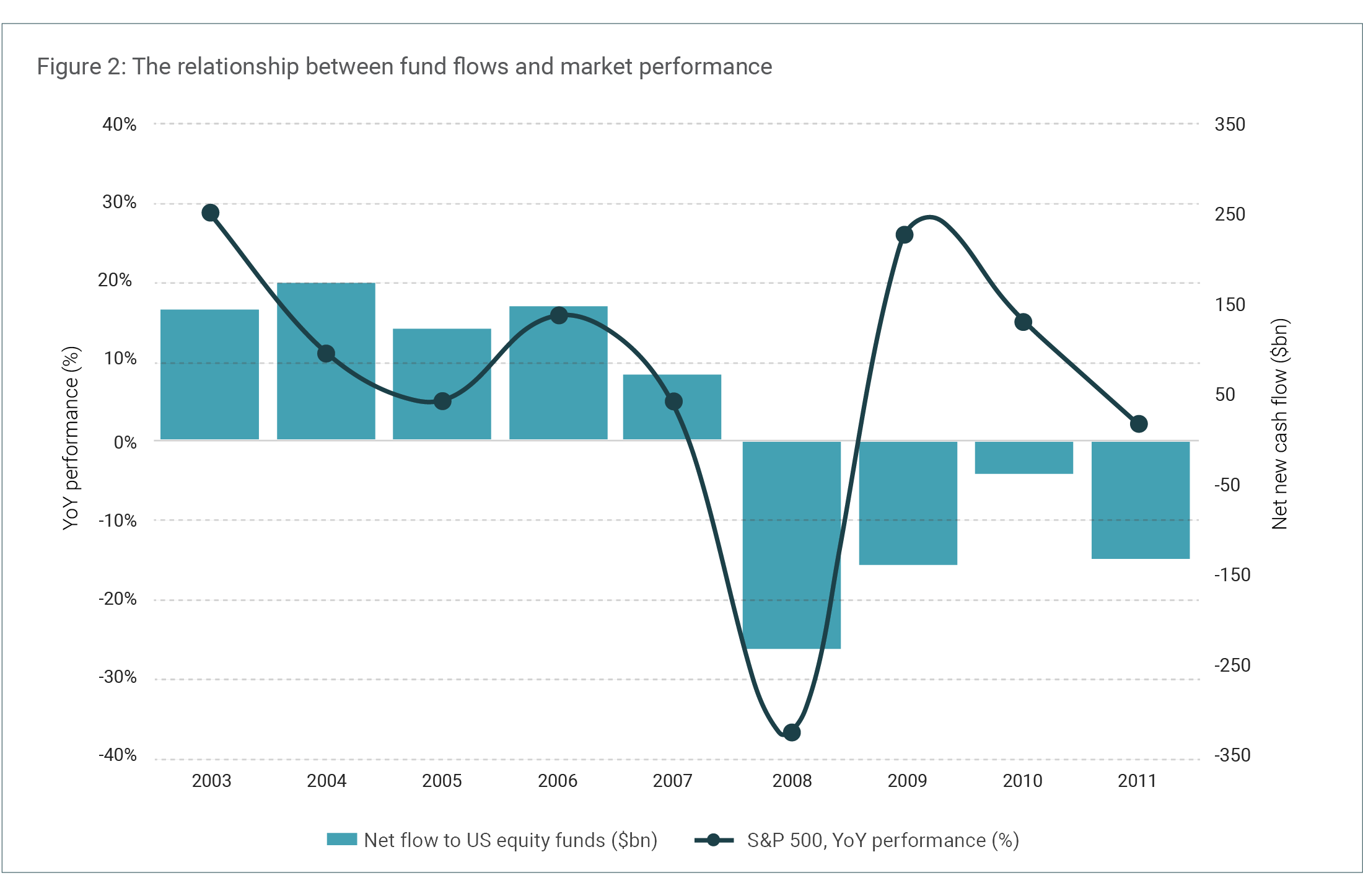 Source: Investment Company Institute, Canopy Investors.
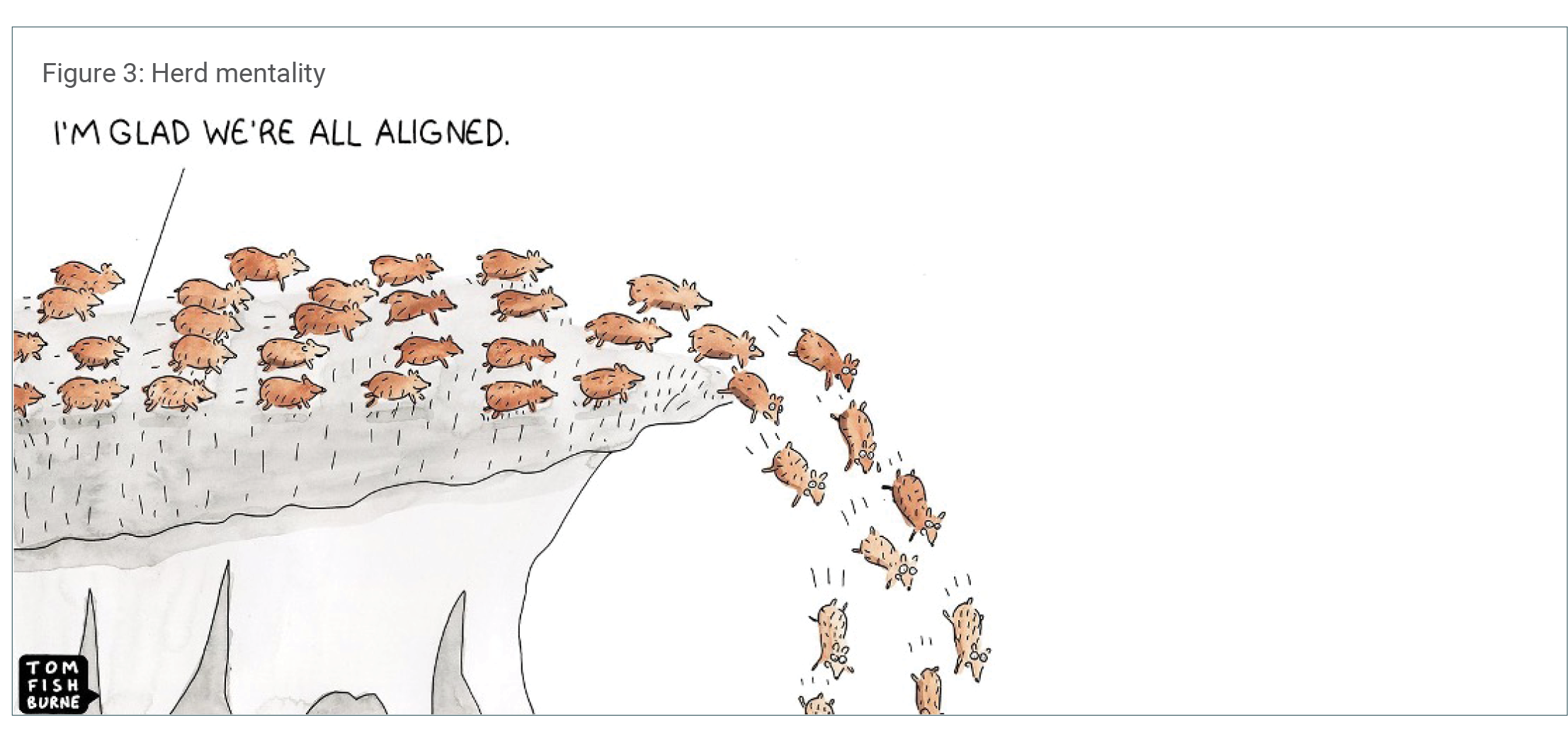 Source: Tom Fishburne.
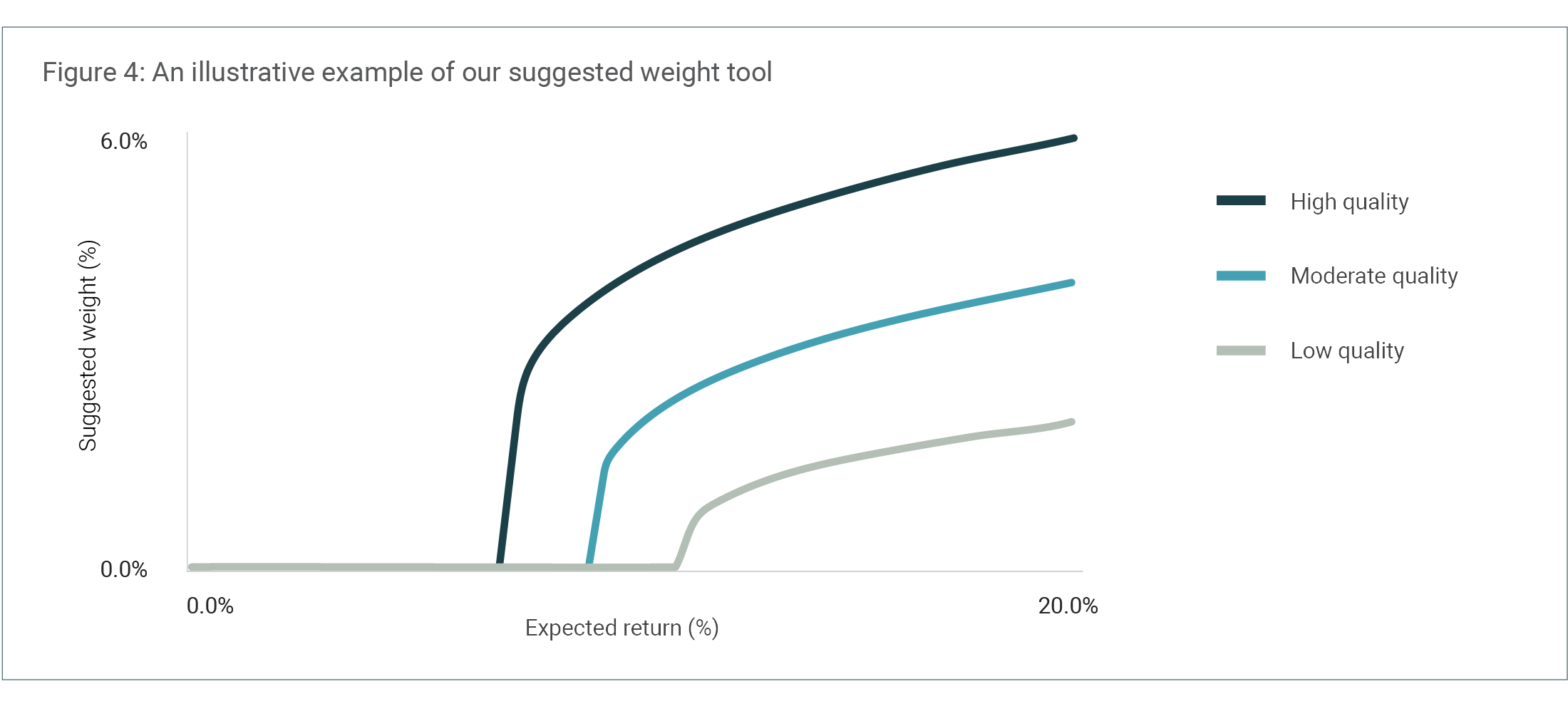 Source: Canopy Investors.
5 Aug 2025 - News & Views: One final round of rail consolidation?

4 Aug 2025 - New Funds on Fundmonitors.com
|
New Funds on FundMonitors.com |
|
Below are some of the funds we've recently added to our database. Follow the links to view each fund's profile, where you'll have access to their offer documents, monthly reports, historical returns, performance analytics, rankings, research, platform availability, and news & insights. |
 |
||||||||||||||||||||||
| India Avenue Equity Fund - Listed Class | ||||||||||||||||||||||
|
||||||||||||||||||||||
| View Profile | ||||||||||||||||||||||
|
|
||||||||||||||||||||||
| Indian Pacific Fund | ||||||||||||||||||||||
|
||||||||||||||||||||||
| View Profile | ||||||||||||||||||||||
 |
||||||||||||||||||||||
| Blackwattle Global Quality Fund | ||||||||||||||||||||||
|
||||||||||||||||||||||
| View Profile | ||||||||||||||||||||||
 |
||||||||||||||||||||||
| VanEck Global Listed Private Credit (AUD Hedged) ETF | ||||||||||||||||||||||
|
||||||||||||||||||||||
| View Profile | ||||||||||||||||||||||
|
Want to see more funds? |
||||||||||||||||||||||
|
Subscribe for full access to these funds and over 900 others |

1 Aug 2025 - Hedge Clippings | 01 August 2025
|
|
|
|
Hedge Clippings | 01 August 20256 According to economists, market junkies and the media, all or most of whom incorrectly thought there would be a rate cut in July, this week's June quarter inflation number makes a rate cut of 0.25% in August a certainty. Most of them reiterated that they thought the RBA should have acted in July rather than waiting five weeks for more data. That data, in the form of the bank's preferred "trimmed mean"inflationary measure, which came in at an annualised 2.7%, continued a downward trend, and was the lowest number since December 2021. So you'd have to suggest a rate cut the week after next would be a fait accompli. Except that the RBA are, by nature, cautious folk, embodied by their stated strategy of "easing monetary policy in a cautious and gradual manner", and there remain a couple of unknowns out there. At home, there's a risk that inflation picks up in the September and December quarters as the various energy subsidies disappear. Globally, there's the uncertainty around the economic and inflationary effects of Trump's tariffs, and his "big beautiful bill". US Fed chief Jerome Powell was sufficiently uncertain overnight and so kept US rates on hold, where they've been since last December, even though he kept his options open about the possibility of a cut in September, subject to the data. Meanwhile, back to those tariffs. It appears that for the time being, Australia has "escaped"with a tax rate of just 10% on imports into the US, a far cry from Canada's rate of 35%. Of course, knowing Trump this could change, but for now it seems that Albo's strategy of keeping a low profile could be working. Then again, it might not be Albo's strategy that's keeping Australia out of Trump's firing line. Maybe the Donald has other more pressing matters to deal with. We'd hope that's the case. Webinar How to get the most from Fundmonitors.com | Register Now News | Insights Trip Insights: Europe | 4D Infrastructure The Rise of Gamified Fandom: Why Gen Z Is Reshaping the Sports Industry | Insync Fund Managers June 2025 Performance News Insync Global Quality Equity Fund Equitable Investors Dragonfly Fund Argonaut Natural Resources Fund |
|
|
If you'd like to receive Hedge Clippings direct to your inbox each Friday |

1 Aug 2025 - The Evolution and Benefits of Equity Income Funds in Australia's Growing Retirement Market
|
The Evolution and Benefits of Equity Income Funds in Australia's Growing Retirement Market Merlon Capital Partners July 2025
|
|
.Australia's growing retirement-age population has seen an increase in demand for and the availability of equity income funds over the last few decades. Australia's unique dividend imputation system means investors can successfully derive meaningful income as well as capital growth from holding Australian equities. Equity income strategies regularly make up a large component of the equity allocation for income-focused clients who seek a more defensive asset mix. Equity income funds have evolved significantly over time, beginning in the 1990s, with MLC and Colonial First State (now First Sentier Investors) launching equity income products. These initial products were not specifically focused on paying a regular, smoothed, tax-effective income but rather designed to grow capital before retirement to provide income once in retirement. The mid-2000s saw the equity income fund reimagined, designed specifically to meet retiree's key objectives - income generation, volatility management and capital growth over time. A number of managers developed products to meet these objectives at this time. The wake of the GFC saw growing recognition of the importance of total return generation from income, limiting the need to sell down holdings during market downturns. As a result, the equity income space continued to grow and through the 2010s, various managers launched new income funds, often with full market exposure. Additionally, with the rising popularity in passive investing through the 2010s, income-focused ETFs also emerged from leading ETF providers with the goal of generating income that exceeds the dividend yield offered by the broader market. With an aging population, the addressable market for equity income funds is only growing. Whilst not all equity income funds remain in existence today, there are a variety to choose from with over 15 Australian fund managers offering a product in this space. The need for regular income in retirement is well known and there are various ways to meet cashflow requirements. However, many of these tend to overlook the particularities of retirement. While fixed income products can help to meet an income objective, they fail to provide capital growth to protect against the impacts of inflation. A diminishing capital value on a real basis is inconsistent with the desire of many retirees for a growing capital base for both peace of mind and to leave an inheritance. Another option is to pursue an equity strategy centred solely on capital growth and simply selling down holdings when cashflow is required, rather than investing in income-generating investments. Yet, this ignores the fact that retirees are much more impacted by periods of drawdown than other investors, especially early in their retirement, amplified by their obligation to draw out from accounts when in pension phase. The GFC market crash and COVID-19 selloff in early 2020 demonstrated the serious consequences of needing to sell at an inopportune time and its long-term impact on total return. Skewing the components of equity total return to income removes the need to sell investments to raise cash when required. Proposed alternatives to equity income also ignore the value of franked dividends, which for retirees in pension phase present significantly more value than unfranked income or capital gains. Australian equity income strategies, when structured and executed appropriately, can provide strong total returns over time through attractive dividend yields and without sacrificing capital growth. The Merlon Australian Share Income Fund was launched in 2005 and led the innovation of contemporary equity income funds. It was the first product of its kind, aiming to provide above-market income with franking, grow capital over time with lower risk than the market. The non-benchmark portfolio has a high active share, blending well with both passive and direct share portfolios which are typically overweight large cap stocks. The Fund delivers above market income, the majority from franked dividends, paid monthly and has demonstrated strong risk-adjusted returns over multiple time periods. The strategy features a risk reduction overlay to insulate the Fund during periods of drawdown whilst retaining 100% of the franked dividend income generated from the underlying portfolio. Merlon's investment philosophy is based on the idea that behavioural biases create opportunities, even in markets considered "efficient". In particular, Merlon focuses on investing in companies where the market has become overly pessimistic, investing in undervalued companies with a focus on downside/bear case valuation to preserve capital. Merlon believes that buying companies when the market is overly pessimistic at low end of valuation range should result in growth of the capital base. Companies are valued on the basis of sustainable free cash flow, not dividend yield alone which is often a poor indicator of future performance and can lead to destruction of capital value. History has shown that investing in quality companies with sustainable free cash |
|
Funds operated by this manager: Merlon Australian Share Income Fund , Merlon Concentrated Australian Share Fund |
|
This material has been prepared by Merlon Capital Partners Pty Ltd (ABN 94 140 833 683 AFSL 343 753) (Merlon), the investment manager of The Merlon Australian Share Income Fund (Fund). Fidante Partners Limited ABN 94 002 835 592 AFSL 234668 | Fidante Partners Services Limited ABN 44 119 605 373 AFSL 320505] (Fidante) is a member of the Challenger Limited group of companies (Challenger Group) and is the responsible entity of the Fund. Other than information which is identified as sourced from Fidante in relation to the Fund, Fidante is not responsible for the information in this material, including any statements of opinion.It is general information only and is not intended to provide you with financial advice or take into account your objectives, financial situation or needs. You should consider, with a financial adviser, whether the information is suitable to your circumstances. The Fund's Target Market Determination and Product Disclosure Statement (PDS) available at www.fidante.com should be considered before making a decision about whether to buy or hold units in the Fund. To the extent permitted by law, no liability is accepted for any loss or damage as a result of any reliance on this information. Past performance is not a reliable indicator of future performance. Merlon and Fidante have entered into arrangements in connection with the distribution and administration of financial products to which this material relates. In connection with those arrangements, Merlon and Fidante may receive remuneration or other benefits in respect of financial services provided by the parties. Investments in the Fund are subject to investment risk, including possible delays in repayment and loss of income or principal invested. Accordingly, the performance, the repayment of capital or any particular rate of return on your investments are not guaranteed by any member of the Challenger Group. |

31 Jul 2025 - Performance Report: Insync Global Capital Aware Fund
[Current Manager Report if available]

31 Jul 2025 - Performance Report: Argonaut Natural Resources Fund
[Current Manager Report if available]

31 Jul 2025 - Unemployment's up. Is it just noise or a sign of things to come?
|
Unemployment's up. Is it just noise or a sign of things to come? Pendal July 2025 |
|
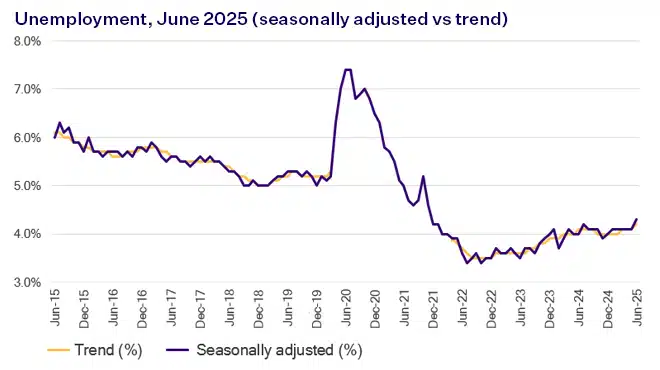
THE unemployment rate jumped to 4.3 % for June - the highest rate since late 2021. Job growth was a very tepid 2000. Hours worked fell by 0.9%. In trend terms - which we prefer over the more volatile, seasonally adjusted data - job growth was 22,800 while unemployment rose from 4.1% to 4.2%. Unemployment, June 2025 (seasonally adjusted vs trend):
Source: Australian Bureau of Statistics June was a relatively clean month - no elections or weather events - and the Bureau of Statistics offered no one-off excuses for the poor outcome. The Reserve Bank expected unemployment to end 2025 at 4.3%, having revised it up from 4.2% in May. Interestingly their forecast at the start of the year was 4.5%, but they lost patience as results earlier in the year were strong. Noise or new trend?The obvious question is whether this is just noise or the start of a new, upwards trend. Every month one eighth of the survey is rotated as respondents are surveyed over eight months - so there is some impact or noise to consider. However, as students of statistics will know, since each sample size is 3000 households (24,000 in the survey), the impact should be small. We won't get a breakdown by profession until the quarterly numbers, but rapid growth in non-market jobs (mainly education and healthcare) has masked softer market job growth for some time. There are signs this non-market job growth may be slowing, so unemployment may drift a bit higher into the end of year. However, forward indicators such as job vacancies and employment indicators in NAB's monthly business survey, do not suggest a sharp or rapid rise. August rate cut looks likelyThe Reserve Bank next meets on Tuesday, August 12. Today's data should all but seal a rate cut - only a massive quarterly inflation surprise at the end of July would stop it. The Q2 wage data and the next Labour force survey do not come out till after the meeting. The market has two-and-a-half cuts by year end and a terminal cash rate just above 3%. We still think bonds are range-bound by this data. Together with bonds sitting at the cheaper end of the range, we have added some duration to our portfolios. |
|
Funds operated by this manager: Pendal MicroCap Opportunities Fund , Pendal Sustainable Australian Fixed Interest Fund - Class R , Pendal Focus Australian Share Fund , Pendal Horizon Sustainable Australian Share Fund , Regnan Credit Impact Trust Fund , Pendal Sustainable Australian Share Fund , Pendal Multi-Asset Target Return Fund , Barrow Hanley Concentrated Global Share Fund , Pendal Active Balanced Fund , Pendal Active Conservative Fund , Pendal Australian Equity Fund , Pendal Australian Long/Short Fund , Pendal Australian Share Fund , Pendal Dynamic Income Fund - Class R , Pendal Fixed Interest Fund , Pendal Global Emerging Markets Opportunities Fund - Wholesale Class , Pendal Global Property Securities Fund , Pendal Government Bond Fund , Pendal Imputation Fund , Pendal MidCap Fund , Pendal Monthly Income Plus Fund , Pendal Property Investment Fund , Pendal Short Term Income Securities Fund , Pendal Smaller Companies Fund |
|
This information has been prepared by Pendal Fund Services Limited (PFSL) ABN 13 161 249 332, AFSL No 431426 and is current as at December 8, 2021. PFSL is the responsible entity and issuer of units in the Pendal Multi-Asset Target Return Fund (Fund) ARSN: 623 987 968. A product disclosure statement (PDS) is available for the Fund and can be obtained by calling 1300 346 821 or visiting www.pendalgroup.com. The Target Market Determination (TMD) for the Fund is available at www.pendalgroup.com/ddo. You should obtain and consider the PDS and the TMD before deciding whether to acquire, continue to hold or dispose of units in the Fund. An investment in the Fund or any of the funds referred to in this web page is subject to investment risk, including possible delays in repayment of withdrawal proceeds and loss of income and principal invested. This information is for general purposes only, should not be considered as a comprehensive statement on any matter and should not be relied upon as such. It has been prepared without taking into account any recipient's personal objectives, financial situation or needs. Because of this, recipients should, before acting on this information, consider its appropriateness having regard to their individual objectives, financial situation and needs. This information is not to be regarded as a securities recommendation. The information may contain material provided by third parties, is given in good faith and has been derived from sources believed to be accurate as at its issue date. While such material is published with necessary permission, and while all reasonable care has been taken to ensure that the information is complete and correct, to the maximum extent permitted by law neither PFSL nor any company in the Pendal group accepts any responsibility or liability for the accuracy or completeness of this information. Performance figures are calculated in accordance with the Financial Services Council (FSC) standards. Performance data (post-fee) assumes reinvestment of distributions and is calculated using exit prices, net of management costs. Performance data (pre-fee) is calculated by adding back management costs to the post-fee performance. Past performance is not a reliable indicator of future performance. Any projections are predictive only and should not be relied upon when making an investment decision or recommendation. Whilst we have used every effort to ensure that the assumptions on which the projections are based are reasonable, the projections may be based on incorrect assumptions or may not take into account known or unknown risks and uncertainties. The actual results may differ materially from these projections. For more information, please call Customer Relations on 1300 346 821 8am to 6pm (Sydney time) or visit our website www.pendalgroup.com |

30 Jul 2025 - Performance Report: ASCF High Yield Fund
[Current Manager Report if available]
30 Jul 2025 - Performance Report: Insync Global Quality Equity Fund
[Current Manager Report if available]
