


NEWS

23 Oct 2025 - Performance Report: Seed Funds Management Financial Income Fund
[Current Manager Report if available]

23 Oct 2025 - One Theme That Can Make You Rich
|
One Theme That Can Make You Rich Marcus Today October 2025 4-minute read
|
|
Back in 2005, I had a client who became quite famous at Bell Securities because he was very good at investing. He was a fairly young guy who had inherited $500,000, and he lived in Bali. He had no stock market experience, but he had a lot of time in Bali. He turned his hand to the stock market, found me as a broker (I think I was in the media at the time), and used me for information. He didn't really want advice. If I rang him up with my lame morning meeting ideas -- that he should buy Leighton Holdings because our analysts thought it was cheap -- he would say, "Look Marcus, what's the drive? Are its fundamentals changing for the better?" And I would say, "I don't know." He ended up not asking for advice, just using me for execution. But he was so good at what he was doing, despite a low level of knowledge, that everybody at Bell started following him in the back office admin system. You would hear people talking over lunchtime and in the lift -- "What's Bali Boy doing?" (as we used to call him). People would track his trades, and he was very successful. 2005 was the resources boom era -- it ran from around 2002 to 2008. What he was doing was investing on thematics rather than stock picking. He parked most of that money in BHP and also bought Fortescue, which at the time was pretty much an explorer turning into a producer. He was terribly successful. He had other iron ore stocks too, and also bought into uranium. I think he had Paladin when it was still below 50 cents, and it went to $10. He was playing themes. If you play themes, the stocks pick themselves. He had read one line about China building "a Brisbane every three months." So they were going to need a lot of iron ore and steel, and that was going to come from Australia. All the iron ore stocks had fundamentals changing for the better. That was the key driver -- fundamentals changing for the better. The catalyst was China building Brisbane every three months. We kept seeing things happening in the iron ore stocks. The smaller ones were getting taken over. They were declaring special dividends. They were having share buybacks. They were reporting better than expected results. We thought, what does he know? Has he got inside information? Truth is, he knew nothing more than us -- but he did know there was a catalyst. China was driving the iron ore price, which was feeding into the fundamentals of every iron ore stock. And when companies are making money, they announce special dividends, they have better results, they take over other companies. That's what was happening in iron ore. The lesson from dealing with him was simple: you need fundamentals changing for the better. That takes a catalyst. You have to find something changing in the world, and good things will happen to stocks in good sectors. Another thing he was particularly good at was being in Bali, looking at Australia from a distance. We were too close. He was like the man in the moon, looking down and saying, "All that iron ore is going to come from Australia." We were looking at the fundamentals of BHP, the PEs and yields. He was looking conceptually, saying Australia was in the perfect spot to exploit China's economic revolution. Objectivity was his edge. So: objectivity, playing themes, and making sure fundamentals are changing for the better. Take that to today. One of the strongest themes in the world right now is AI. Companies are doing deals, taking each other over, announcing contracts, reporting better than expected results -- all driven by the investment in cloud infrastructure to facilitate AI, and the demand for computing power. Objectively, Australians can look at the US and say: yep, that's happening. Objectively, we can also see it's all getting overvalued. Objectively, we can see that at some point it's sentiment-driven and that might change. But for now, that is the theme. It's a great template for any investing: ask, what's the catalyst? Are the fundamentals changing for the better? If you get that right, the stocks pretty much pick themselves. And the events that surprise on the upside will just happen. Good things happen to stocks in good sectors. DISCLAIMER: This content is for general information purposes only and does not constitute personal financial advice. Please consider your own circumstances or seek professional advice before making investment decisions. |
|
Funds operated by this manager: |

22 Oct 2025 - Performance Report: Skerryvore Global Emerging Markets All-Cap Equity Fund
[Current Manager Report if available]

22 Oct 2025 - Skin in the game
|
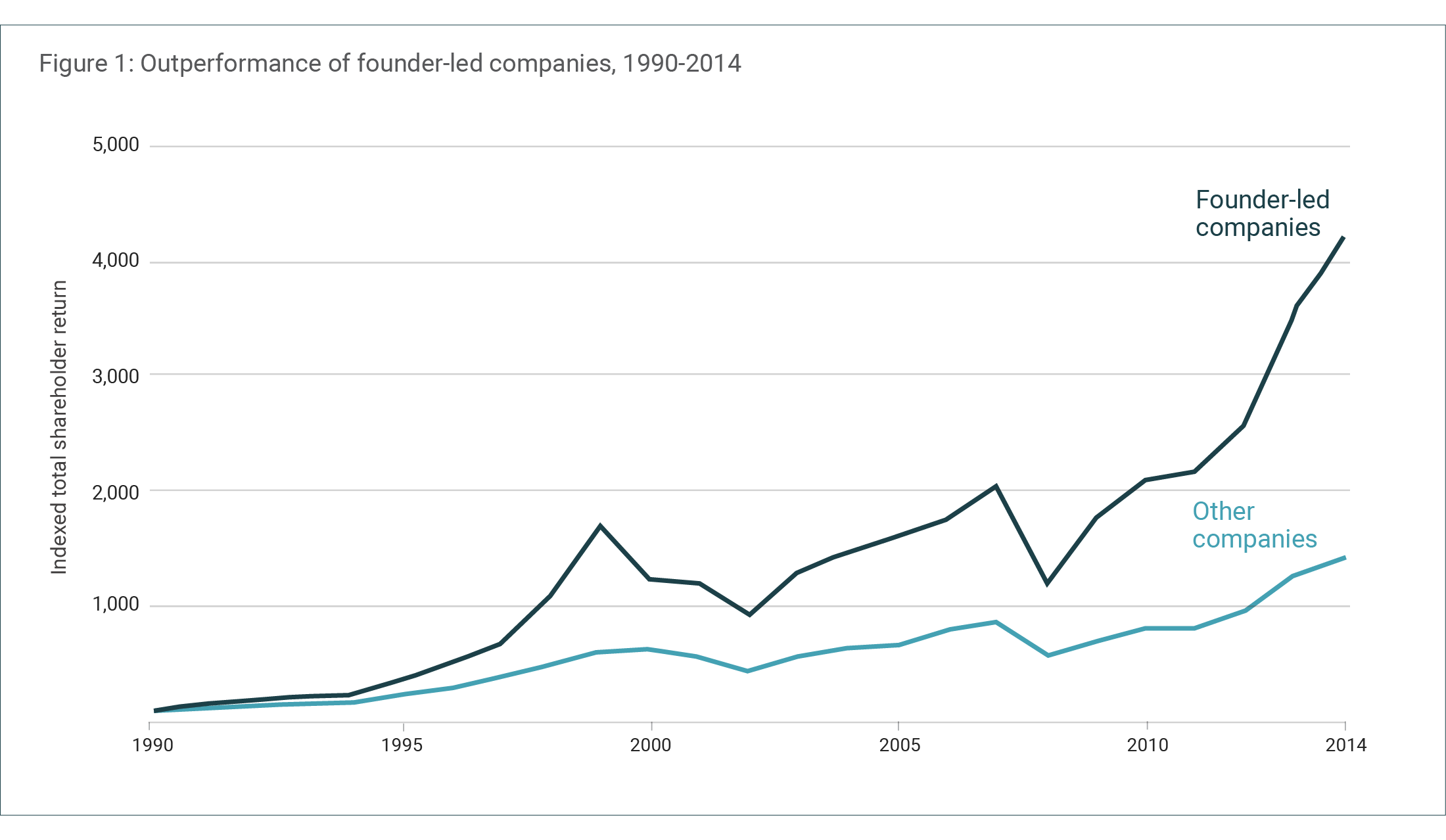
Skin in the game Canopy Investors October 2025 5 min read 'Show me the incentive and I'll show you the outcome.' Investing in a company means putting your capital in the hands of managers who decide how it's used. Managers have access to information you don't, and their personal incentives may differ from yours. Since people naturally act in their own self-interest, ensuring managers' interests align with yours is critical. At Canopy, we believe the most effective alignment comes through meaningful ownership, whether from founder-operators, family-controlled businesses, or executives with substantial equity positions. Historical out performance of aligned managementCompanies with aligned management consistently outperform their peers. Bain & Company's analysis of S&P 500 firms from 1990 to 2014 showed that founder-led companies delivered cumulative total shareholder returns 3.1 times greater than other companies over this period, as shown in Figure 1 below.
Source: Bain & Company. One might argue this simply reflects the exceptional performance of technology companies over this period, many of which happen to be founder-led. However, even when technology firms were excluded from the analysis, founder-led companies still delivered 1.8 times the returns of their peers. Academic research suggests this outperformance stems partly from differences in how founder-led companies allocate capital and innovate. Fahlenbrach's 2009 study of 2,327 firms from 1992-2002 showed founder-led companies invested 22% more in R&D and 38% more in capital expenditures than their non-founder-led peers, and delivered annual share price outperformance of 8.3% even adjusting for risk factors. This combination - higher investment and superior returns - demonstrates that founder-CEOs don't just spend more on growth, they're better at selecting which investments will create value. Lee, Kim, and Bae's study of S&P 500 companies from 1993 to 2003 showed founder-led companies generated 31% higher citation-weighted patent performance (a measure of innovation impact) versus non-founder-led companies. The advantage remained at 23% even after controlling for higher R&D spending, indicating they innovate more efficiently. The study also found that founder-led companies tend to produce more breakthrough innovations (patents in the top 5% by citations). However, alignment does not universally drive optimal outcomes. Morck, Shleifer, and Vishny's 1988 study of 371 Fortune 500 firms revealed an inverted U-shaped relationship between management ownership and firm value. The study found firm performance improved substantially when managers increased their ownership positions above 5%, but then declined again as ownership levels increased beyond 20%, potentially indicating entrenchment and value destruction. This entrenchment effect is particularly pronounced in family-controlled firms. The Morck study found evidence that older firms run by founding family members underperformed compared to those led by unrelated officers. As family ownership stakes increase beyond optimal levels, concentrated voting control can insulate management from market discipline and traditional governance mechanisms. Entrenchment risk may manifest through nepotism in senior appointments, excessive compensation, retention of underperforming family executives, resistance to strategic changes that threaten control, and conservative financial policies that prioritise stability over growth. The ownership mindsetWe believe companies with properly aligned management teams outperform for several fundamental reasons:
|
|
Funds operated by this manager:
|

21 Oct 2025 - Performance Report: DAFM Digital Income Fund (Digital Income Class)
[Current Manager Report if available]

20 Oct 2025 - Performance Report: Bennelong Emerging Companies Fund
[Current Manager Report if available]

20 Oct 2025 - Performance Report: ASCF High Yield Fund
[Current Manager Report if available]

20 Oct 2025 - New Funds on Fundmonitors.com
|
New Funds on FundMonitors.com |
|
Below are some of the funds we've recently added to our database. Follow the links to view each fund's profile, where you'll have access to their offer documents, monthly reports, historical returns, performance analytics, rankings, research, platform availability, and news & insights. |
 |
||||||||||||||||||||||
| MA Prime Logistics Fund | ||||||||||||||||||||||
|
||||||||||||||||||||||
| View Profile | ||||||||||||||||||||||
 |
||||||||||||||||||||||
| Wingate Investment Partners Trust No. 3 | ||||||||||||||||||||||
|
||||||||||||||||||||||
| View Profile | ||||||||||||||||||||||
|
Wingate Property Senior Debt Holding Fund |
||||||||||||||||||||||
|
||||||||||||||||||||||
| View Profile | ||||||||||||||||||||||
 |
||||||||||||||||||||||
| Global X Physical Gold Structured (GOLD) | ||||||||||||||||||||||
|
||||||||||||||||||||||
|
Want to see more funds? |
||||||||||||||||||||||
|
Subscribe for full access to these funds and over 900 others |

17 Oct 2025 - Hedge Clippings |17 October 2025
|
|
|
|
Hedge Clippings | 17 October 2025 A Week Jim Chalmers Would Rather Forget It started with a backflip that was as inevitable as it was overdue. The Treasurer finally dropped the proposed plan to tax unrealised capital gains in superannuation balances over $3 million (although the amount is irrelevant, it was the concept that was the problem) -- an idea that had baffled economists, infuriated fund managers, and confused just about everyone else. Even among Labor's supporters, the policy looked tone-deaf. The notion that retirees and super funds could be taxed on paper profits, particularly in volatile markets, was always destined for the scrapheap. In the end, Chalmers bowed to a combination of political reality, a nudge from Paul Keating (never one to stay silent on superannuation), and what insiders describe as a not-so-gentle push from Prime Minister Anthony Albanese himself. The retreat was wrapped in the usual political spin -- "consultation," "refinement," "listening to stakeholders" -- but it was, quite simply, a climbdown from an idea that never should have seen daylight. Unfortunately for the Treasurer, the week didn't get any easier from there. During a "fireside chat" in New York, RBA Governor Michelle Bullock followed up with a blunt reminder that Australia's fiscal trajectory is unsustainable. Government spending, she warned, is growing faster than national income. The RBA, already worried about sticky inflation, coupled with falling productivity, now faces the added complication of a budget that's not pulling in the same direction. Bullock's comments were unusually pointed, suggesting rising concern inside Martin Place that fiscal policy and monetary policy are working at cross-purposes. And then came the kicker: fears that inflation is still running hotter than the RBA expected, her tone suggesting that the RBA might be preparing the public for the possibility that rates will stay higher for longer -- something neither homeowners nor the Treasurer will want to hear even if we are still two and a half years away from the next election. Whether Bullock's concerns are confirmed or not will be known on October 29th, when the ABS releases both monthly and quarterly inflation numbers for September. The June quarter annualised number was an encouraging 2.1%, but August's monthly figure (admittedly only partial) was a worrying 3.0%. If that trend continues, the central bank won't be loosening the reins on Melbourne Cup Day, so for anyone backing a rate cut, that might look like a long shot indeed. They might be encouraged by yesterday's September unemployment rate, which rose to 4.5%, the highest since November 2021. Although still historically tight, it's a signal that the labour market, one of the last bastions of strength in the post-pandemic recovery, may be beginning to soften. Ordinarily, a rise in unemployment might nudge the RBA toward cutting rates to prevent a sharper slowdown -- but if inflation is still above target (or even worse, rising) and with government spending still climbing, the central bank's hands will be tied. It's a classic economic tug-of-war: growth is faltering, inflation is lingering or rising, and the government's fiscal stance isn't helping either side win. For Chalmers, the optics are rough. After months of claiming Australia's economy is resilient and well-managed, the data is beginning to tell a different story -- one of slowing growth, weakening labour demand, and persistent cost-of-living pressures. The Treasurer can take small comfort in the fact that Australia is hardly alone in facing these challenges, but politically, that won't count. He's lucky the opposition is such a mess. However, in a single week, Albo has forced him to back down on a politically toxic policy, he's fended off criticism from Keating, the architect of superannuation, and listened to the central bank warn that his budget settings could be fuelling inflation. Add a rising unemployment rate to the mix, and it's no surprise Chalmers might be wishing for a quiet weekend -- perhaps one spent far from the Canberra bubble. Unfortunately, in the current environment, there's no such thing as a quiet week in economic policy. News | Insights New Funds on FundMonitors.com Quarterly State of Trend report - Q3 2025 | East Coast Capital Management 10k Words | October 2025 | Equitable Investors Investment Perspectives: Data Centres - An update is required | Quay Global Investors September 2025 Performance News Bennelong Concentrated Australian Equities Fund Argonaut Natural Resources Fund Glenmore Australian Equities Fund |
|
|
If you'd like to receive Hedge Clippings direct to your inbox each Friday |

17 Oct 2025 - Quarterly State of Trend report - Q3 2025
|
Quarterly State of Trend report - Q3 2025 East Coast Capital Management October 2025 3-minute read In this update, we present the quarterly State of Trend report for Q3, 2025. Our report covers the performance of Trend Following systems compared with traditional investments such as the S&P/ASX 200 Total Return index, and the Australia "60/40" portfolio. Trend Following provides exposure to a diverse pool of underlying instruments, and implements trading strategies systematically and without emotional biases. Tariff turmoil impacts global markets In Q3 2025, markets remained turbulent as inflation pressures, shifting rate expectations and ongoing geopolitical friction shaped sentiment. Trend following systems have rebounded from drawdown, benefitting from sustained moves in precious metals, cattle, and technology-linked equity indices, significantly outperforming the ASX200 and 60/40 portfolio. Key market movements in Q3 2025
Featured chart - Platinum
See the full report at our website. Funds operated by this manager: |
