NEWS

27 Jul 2022 - Consider the evidence for long term returns
|
Consider the evidence for long term returns Glenmore Asset Management June 2022 Market commentary June was a very weak month for equities globally, driven by continued investor concern around the quantum and pace of interest rate increases and a weakening US (and global) economy. Central banks (correctly in our view) appear committed to reducing inflation via aggressively increasing interest rates, even if it means reducing economic growth in the short term. In the US, the S&P 500 was down -8.4%, the Nasdaq fell -8.7%, whilst in the UK, the FTSE fell -5.8%. In Australia, the All Ordinaries Accumulation index fell -9.4%, whilst the Small Ordinaries Accumulation index was down -13.1%. On the ASX, the best performing sector was consumer staples, whilst resources was the worst performer, impacted by lower commodity prices and growth concerns regarding the Chinese economy. The underperformance of small/mid cap stocks vs large cap is not a new situation and has indeed occurred in all of the months in the last five years where the ASX has seen large falls. Whilst we agree that inflation, interest rate rises and weakening economic growth are all valid current concerns for investors, we also believe the falls in stocks across the board have been quite material and hence from a stock specific basis, there are now some very attractive investment opportunities for investors willing to take a 2-3 year view. As always during periods of market stress, it is very important to take a long term view and think about how long the current negative conditions will be in place over the medium term. Whilst concerns around an economic slowdown are warranted currently, we believe in 12-24 months time, this risk is likely to have reduced as central banks are further down the path of interest rate hikes. It is also important to remember that on average, bear markets last for 12-15 months, hence the current challenging conditions will not be in place permanently. Also, we would stress over the next 12- 18 months, whether Australia and/or global economies actually have a recession is not the key issue (even though it will generate a lot of media discussion). Rather for investors in the Fund, the key issue is the investment opportunities that are thrown up from the sell-off in equities, that can provide the basis of investment returns over the next 3-5 years. It should also be noted that as the stock market is very forward looking, stock prices historically fall well ahead of any economic downturn, in particular small/mid cap stocks on the ASX. Funds operated by this manager: |

26 Jul 2022 - Performance Report: Delft Partners Global High Conviction Strategy
| Report Date | |
| Manager | |
| Fund Name | |
| Strategy | |
| Latest Return Date | |
| Latest Return | |
| Latest 6 Months | |
| Latest 12 Months | |
| Latest 24 Months (pa) | |
| Annualised Since Inception | |
| Inception Date | |
| FUM (millions) | |
| Fund Overview | The quantitative model is proprietary and designed in-house. The critical elements are Valuation, Momentum, and Quality (VMQ) and every stock in the global universe is scored and ranked. Verification of the quant model scores is then cross checked by fundamental analysis in which a company's Accounting policies, Governance, and Strategic positioning is evaluated. The manager believes strategy is suited to investors seeking returns from investing in global companies, diversification away from Australia and a risk aware approach to global investing. It should be noted that this is a strategy in an IMA format and is not offered as a fund. An IMA solution can be a more cost and tax effective solution, for clients who wish to own fewer stocks in a long only strategy. |
| Manager Comments | The Delft Partners Global High Conviction Strategy has a track record of 10 years and 11 months and has outperformed the Global Equity Index since inception in August 2011, providing investors with an annualised return of 14.17% compared with the index's return of 12.41% over the same period. On a calendar year basis, the strategy has experienced a negative annual return on 2 occasions in the 10 years and 11 months since its inception. Over the past 12 months, the strategy's largest drawdown was -8.81% vs the index's -15.77%, and since inception in August 2011 the strategy's largest drawdown was -13.33% vs the index's maximum drawdown over the same period of -15.77%. The strategy's maximum drawdown began in February 2020 and lasted 1 year, reaching its lowest point during July 2020. The strategy had completely recovered its losses by February 2021. During this period, the index's maximum drawdown was -13.19%. The Manager has delivered these returns with 1.24% more volatility than the index, contributing to a Sharpe ratio which has fallen below 1 four times over the past five years and which currently sits at 1.05 since inception. The strategy has provided positive monthly returns 88% of the time in rising markets and 14% of the time during periods of market decline, contributing to an up-capture ratio since inception of 100% and a down-capture ratio of 90%. |
| More Information |

26 Jul 2022 - 10k Words
|
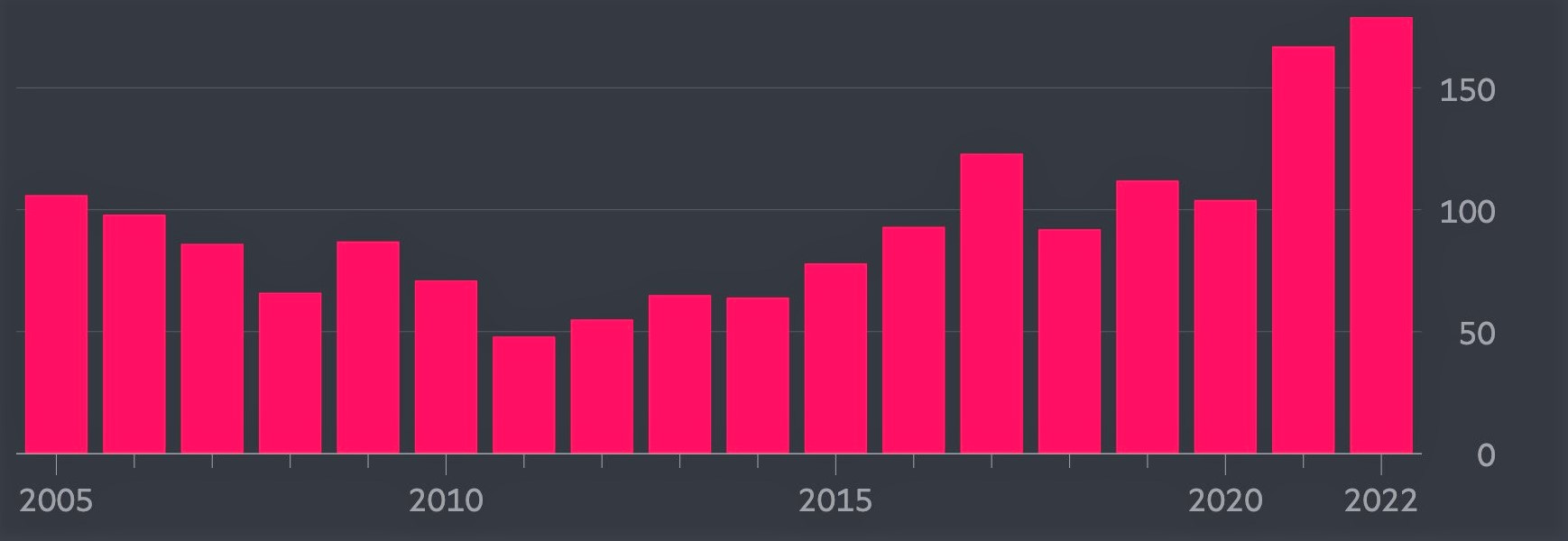
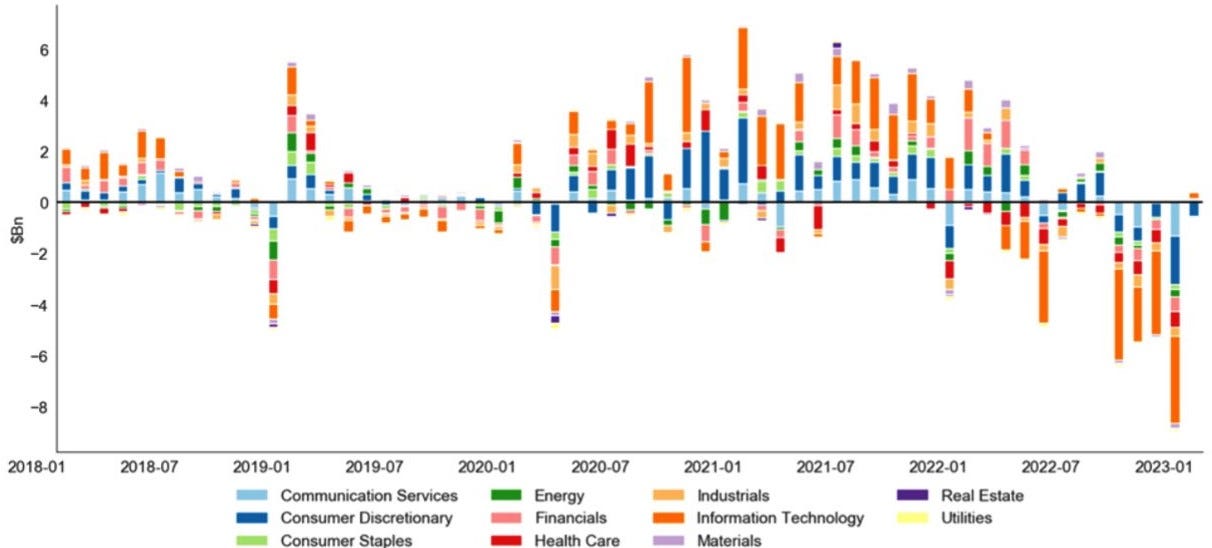
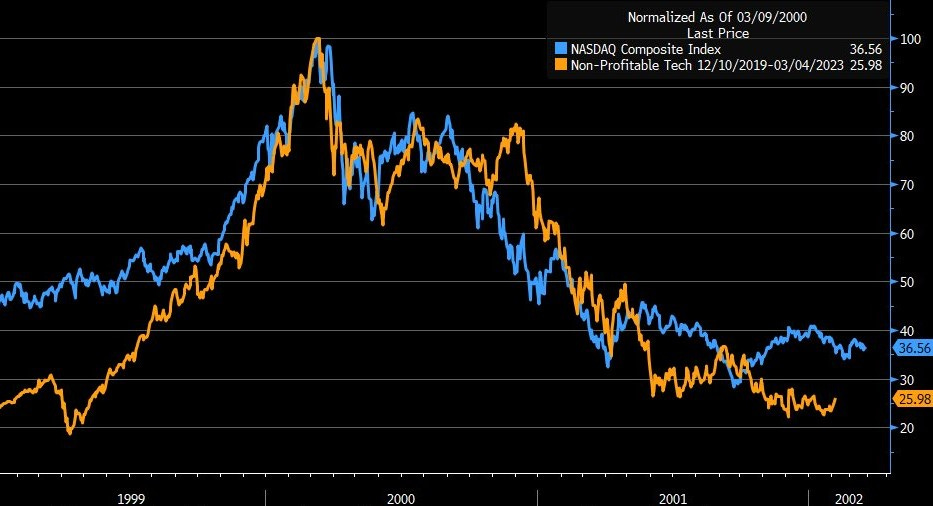
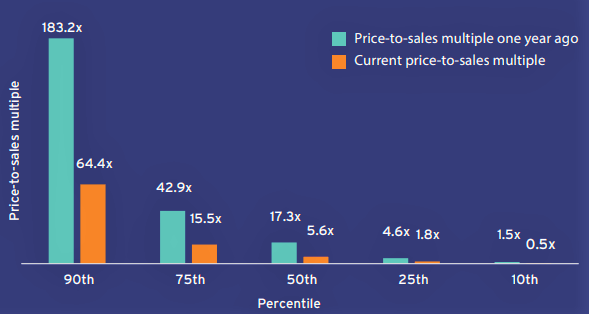
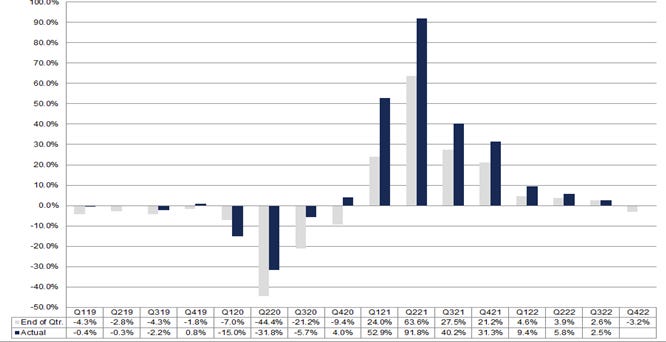
10k Words Equitable Investors 11 July 2022 Revenue multiples have returned to pre-2020 levels for high growth software companies, based on Octahedron's index. The downturn in valuations was accompanied by a 23% year-on-year decline in March quarter VC funding for late-stage and technology growth funding, crunchbase calculated - although it found seed and angel investment held up better, growing 9% year-on-year. The Information found VC firms buying listed tech stocks, meanwhile consensus data from FactSet shows the tech sector is not expected to have been among the strongest growth areas of the S&P 500 in the June quarter - energy and materials stocks have the most expected of them. Kailash Capital shows that price growth for the S&P 500 in the 2017-2021 period has doubled the long-term average return. Finally, Bloomberg charts the rise of self-employment in the US. Octahedron Growth Software Index (EV / NTM Rev) Source: Octahedron Global Venture Dollar Volume by quarter Source: Crunchbase Global Seed and Angel Investment by quarter Source: Crunchbase VC Firms Buying Publicly Listed Shares Source: The Information S&P 500 Revenue Growth Expectations Source: FactSet S&P 500 historical average returns Source: Kailash Capital Americans increasingly shifting to self-employment Source: Bloomberg July Edition Funds operated by this manager: Equitable Investors Dragonfly Fund Disclaimer Nothing in this blog constitutes investment advice - or advice in any other field. Neither the information, commentary or any opinion contained in this blog constitutes a solicitation or offer by Equitable Investors Pty Ltd (Equitable Investors) or its affiliates to buy or sell any securities or other financial instruments. Nor shall any such security be offered or sold to any person in any jurisdiction in which such offer, solicitation, purchase, or sale would be unlawful under the securities laws of such jurisdiction. The content of this blog should not be relied upon in making investment decisions. Any decisions based on information contained on this blog are the sole responsibility of the visitor. In exchange for using this blog, the visitor agree to indemnify Equitable Investors and hold Equitable Investors, its officers, directors, employees, affiliates, agents, licensors and suppliers harmless against any and all claims, losses, liability, costs and expenses (including but not limited to legal fees) arising from your use of this blog, from your violation of these Terms or from any decisions that the visitor makes based on such information. This blog is for information purposes only and is not intended to be relied upon as a forecast, research or investment advice. The information on this blog does not constitute a recommendation, offer or solicitation to buy or sell any securities or to adopt any investment strategy. Although this material is based upon information that Equitable Investors considers reliable and endeavours to keep current, Equitable Investors does not assure that this material is accurate, current or complete, and it should not be relied upon as such. Any opinions expressed on this blog may change as subsequent conditions vary. Equitable Investors does not warrant, either expressly or implied, the accuracy or completeness of the information, text, graphics, links or other items contained on this blog and does not warrant that the functions contained in this blog will be uninterrupted or error-free, that defects will be corrected, or that the blog will be free of viruses or other harmful components. Equitable Investors expressly disclaims all liability for errors and omissions in the materials on this blog and for the use or interpretation by others of information contained on the blog |

26 Jul 2022 - How quickly will central bankers change their tune?
|
How quickly will central bankers change their tune? Eley Griffiths Group July 2022 The downward trajectory of global equity markets continued in June as central banks displayed a willingness to hike rates aggressively in the near term to fight inflation. This hard stance increased concerns of a swift contraction in global economic activity. The US Fed delivered a 75bp rate hike in June, the largest rise since 1994, after May's CPI accelerated at the fastest rate since 1981 (8.6%). Chair Powell signalled another large hike in July to fight inflation "expeditiously." Likewise in Australia, the RBA surprised markets with the largest rate hike in 22 years (50bp) to bring the cash rate to 0.85%. Small resources retracted by 22% on weaker commodity prices and shrinking demand concerns. The price of copper, a 'bellwether' for the economy, dropped below $US8000 for the first time in almost 18 months and is now down 17% year to date. Developers and explorers were sold off more heavily than producers, albeit no one was immune. As a slew of earnings downgrades and profit warnings started to build momentum across the market, outperforming in the month were defensive portfolio holdings. Litigation financer Omni Bridgeway (+5%) highlighted the benefits of being uncorrelated to the broader economic environment at present, as well as announcing the launch of an 8th Fund. With signs of economic fragility proliferating, investors finished the month speculating how quickly central bankers will change their tune. Last week, the closely watched Atlanta Fed's GDPNow estimate of real GDP was slashed to -2.1% in the second quarter, highlighting the prospect that the US economy may already be in recession. As a result, bond markets are now trimming their expectations for future rate hikes and investors are betting the deteriorating consumer and business confidence will be enough for central bankers to call a pause or slow their hiking cycle. Funds operated by this manager: Eley Griffiths Emerging Companies Fund, Eley Griffiths Small Companies Fund |

25 Jul 2022 - Performance Report: Digital Asset Fund (Digital Opportunities Class)
| Report Date | |
| Manager | |
| Fund Name | |
| Strategy | |
| Latest Return Date | |
| Latest Return | |
| Latest 6 Months | |
| Latest 12 Months | |
| Latest 24 Months (pa) | |
| Annualised Since Inception | |
| Inception Date | |
| FUM (millions) | |
| Fund Overview | The Fund offers a choice of three investment classes, each of which adopts a different investment strategy: - The Digital Opportunities Class identifies and trades low risk arbitrage opportunities between different exchanges and a number of digital assets; - The Digital Index Class tracks the performance of a basket of digital assets; - The Bitcoin Index Class tracks the performance of Bitcoin. Digital Opportunities Class: This class appeals to investors seeking an active exposure to the digital asset markets with no directional bias. The Digital Opportunities Class employs a high frequency inspired Market Neutral strategy trading 24/7 which uses a systematic approach designed to offer uncorrelated returns to the underlying highly volatile cryptocurrency markets. The strategy systematically exploits low-risk arbitrage opportunities across the most liquid and active digital asset markets on the most respected exchanges. When appropriate the Fund may obtain leverage, including through borrowing cash, securities and other instruments, and entering into derivative transactions and repurchase agreements. DAFM has a currency hedging policy in place for the Units in the Fund. Units in the Fund will be hedged against exposure to assets denominated in US dollars through a trading account with spot, forwards and options as directed by DAFM. |
| Manager Comments | The Digital Asset Fund (Digital Opportunities Class) has a track record of 1 year and 2 months and therefore comparison over all market conditions and against its peers is limited. However, the fund has outperformed the S&P Cryptocurrency Broad Digital Market Index since inception in May 2021, providing investors with an annualised return of 48.02% compared with the index's return of -60.61% over the same period. Over the past 12 months, the fund hasn't had any negative monthly returns and therefore hasn't experienced a drawdown. Over the same period, the index's largest drawdown was -71.98%. Since inception in May 2021, the fund's largest drawdown was 0% vs the index's maximum drawdown over the same period of -71.98%. The Manager has delivered these returns with 48.96% less volatility than the index, contributing to a Sharpe ratio for performance over the past 12 months of 4.18 and for performance since inception of 1.75. The fund has provided positive monthly returns 100% of the time in rising markets and 100% of the time during periods of market decline, contributing to an up-capture ratio since inception of 9% and a down-capture ratio of -49%. |
| More Information |
25 Jul 2022 - Performance Report: Collins St Value Fund
| Report Date | |
| Manager | |
| Fund Name | |
| Strategy | |
| Latest Return Date | |
| Latest Return | |
| Latest 6 Months | |
| Latest 12 Months | |
| Latest 24 Months (pa) | |
| Annualised Since Inception | |
| Inception Date | |
| FUM (millions) | |
| Fund Overview | The managers of the fund intend to maintain a concentrated portfolio of investments in ASX listed companies that they have investigated and consider to be undervalued. They will assess the attractiveness of potential investments using a number of common industry based measures, a proprietary in-house model and by speaking with management, industry experts and competitors. Once the managers form a view that an investment offers sufficient upside potential relative to the downside risk, the fund will seek to make an investment. If no appropriate investment can be identified the managers are prepared to hold cash and wait for the right opportunities to present themselves. |
| Manager Comments | The Collins St Value Fund has a track record of 6 years and 5 months and has outperformed the ASX 200 Total Return Index since inception in February 2016, providing investors with an annualised return of 16.09% compared with the index's return of 8.6% over the same period. On a calendar year basis, the fund hasn't experienced any negative annual returns in the 6 years and 5 months since its inception. Over the past 12 months, the fund's largest drawdown was -11.41% vs the index's -11.9%, and since inception in February 2016 the fund's largest drawdown was -27.46% vs the index's maximum drawdown over the same period of -26.75%. The fund's maximum drawdown began in February 2020 and lasted 7 months, reaching its lowest point during March 2020. The fund had completely recovered its losses by September 2020. The Manager has delivered these returns with 3.44% more volatility than the index, contributing to a Sharpe ratio which has fallen below 1 four times over the past five years and which currently sits at 0.88 since inception. The fund has provided positive monthly returns 84% of the time in rising markets and 63% of the time during periods of market decline, contributing to an up-capture ratio since inception of 79% and a down-capture ratio of 42%. |
| More Information |

25 Jul 2022 - Performance Report: Airlie Australian Share Fund
| Report Date | |
| Manager | |
| Fund Name | |
| Strategy | |
| Latest Return Date | |
| Latest Return | |
| Latest 6 Months | |
| Latest 12 Months | |
| Latest 24 Months (pa) | |
| Annualised Since Inception | |
| Inception Date | |
| FUM (millions) | |
| Fund Overview | The Fund is long-only with a bottom-up focus. It has a concentrated portfolio of 15-35 stocks (target 25). The fund has a maximum cash holding of 10% with an aim to be fully invested. Airlie employs a prudent investment approach that identifies companies based on their financial strength, attractive durable business characteristics and the quality of their management teams. Airlie invests in these companies when their view of their fair value exceeds the prevailing market price. It is jointly managed by Matt Williams and Emma Fisher. Matt has over 25 years' investment experience and formerly held the role of Head of Equities and Portfolio Manager at Perpetual Investments. Emma has over 8 years' investment experience and has previously worked as an investment analyst within the Australian equities team at Fidelity International and, prior to that, at Nomura Securities. |
| Manager Comments | The Airlie Australian Share Fund has a track record of 4 years and 1 month and therefore comparison over all market conditions and against its peers is limited. However, the fund has outperformed the ASX 200 Total Return Index since inception in June 2018, providing investors with an annualised return of 7.82% compared with the index's return of 6.05% over the same period. On a calendar year basis, the fund hasn't experienced any negative annual returns in the 4 years and 1 month since its inception. Over the past 12 months, the fund's largest drawdown was -16.29% vs the index's -11.9%, and since inception in June 2018 the fund's largest drawdown was -23.8% vs the index's maximum drawdown over the same period of -26.75%. The fund's maximum drawdown began in February 2020 and lasted 9 months, reaching its lowest point during March 2020. The fund had completely recovered its losses by November 2020. The Manager has delivered these returns with 0.17% less volatility than the index, contributing to a Sharpe ratio which has fallen below 1 four times over the past four years and which currently sits at 0.51 since inception. The fund has provided positive monthly returns 97% of the time in rising markets and 12% of the time during periods of market decline, contributing to an up-capture ratio since inception of 106% and a down-capture ratio of 97%. |
| More Information |

25 Jul 2022 - The Long and The Short: Finding solace in the short
|
The Long and The Short: Finding solace in the short Kardinia Capital 08 July 2022
|
|
As stocks have wobbled, investors have bemoaned having no place to hide - not even in gold. June alone saw the market fall a whopping 8.97%.
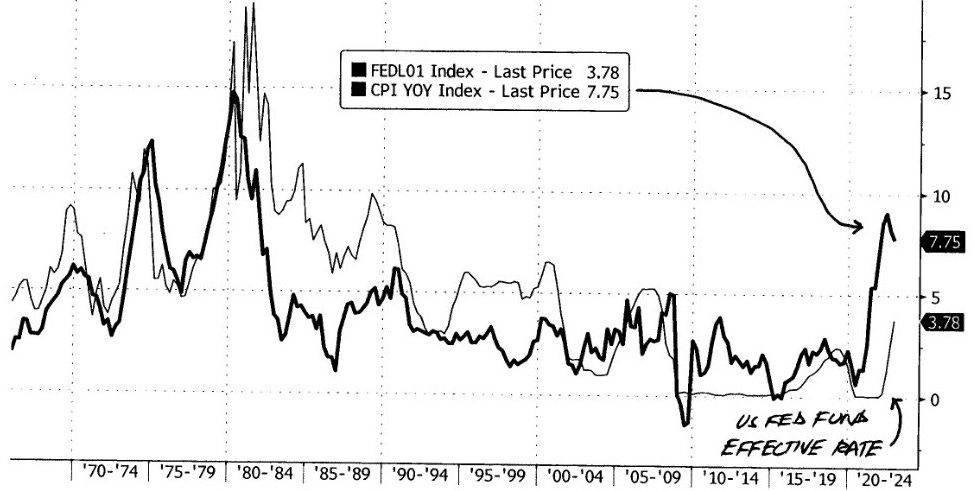
However, short positions across key sectors such as lossmaking, high multiple technology and consumer discretionary stocks seem to be strong contributors to relatively solid fund performance. Inflation sticksMeanwhile, the Australian CPI surged 5.1% for 12 months to 31 March this year, and the US CPI rose 8.6% for May year on year, potentially moving towards levels not seen since 1970-1980. And while last year central banks and economists were calling for the inflation spike to be transitory, the pathway of inflation over the last 18 months has been anything but. Inflation tends to be stickier than imagined.
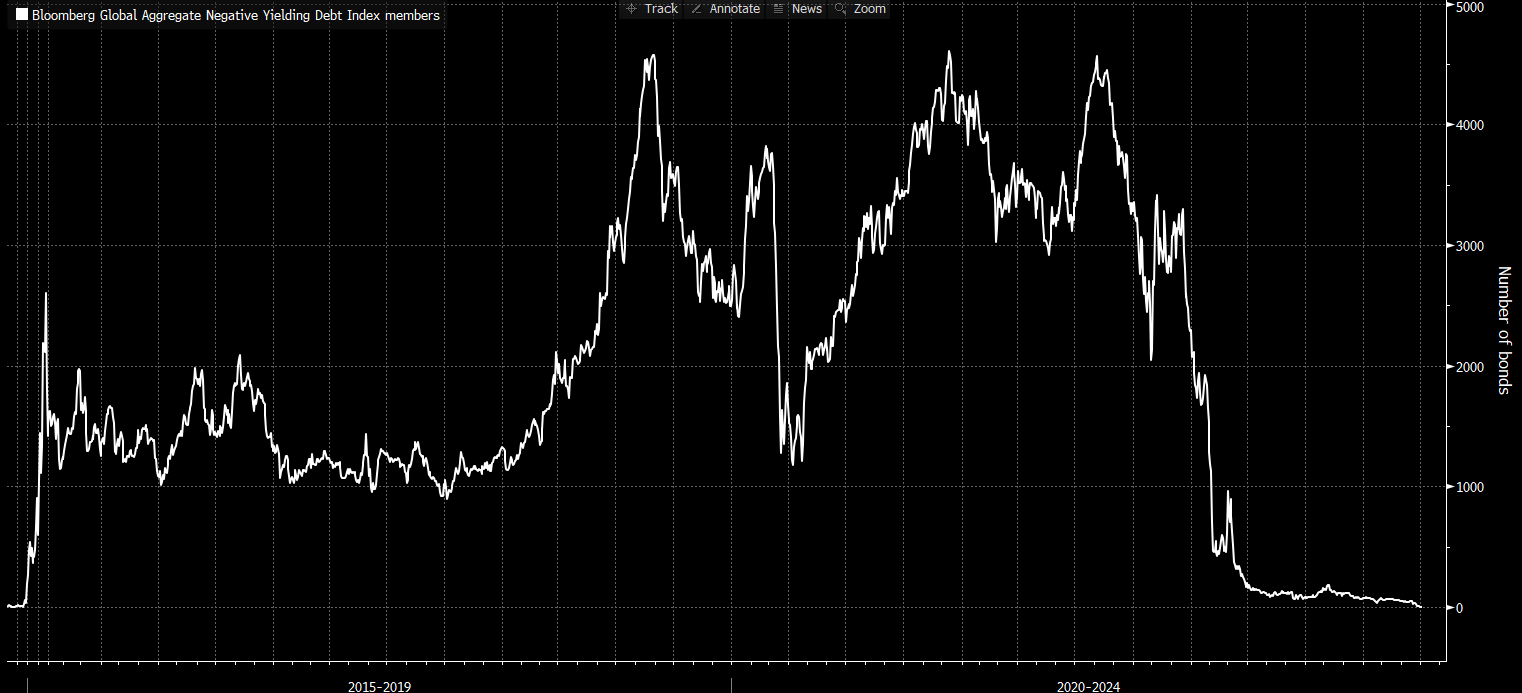
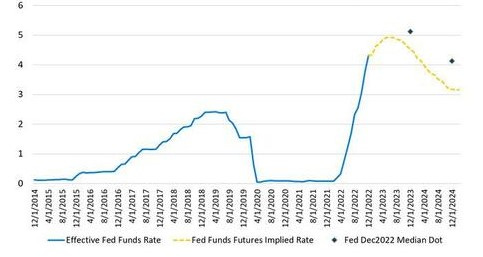
Source: Bloomberg Of course, the message can change over time, but futures markets are currently forecasting a 170bps increase in US and Australian rates by December.
Source: Bloomberg
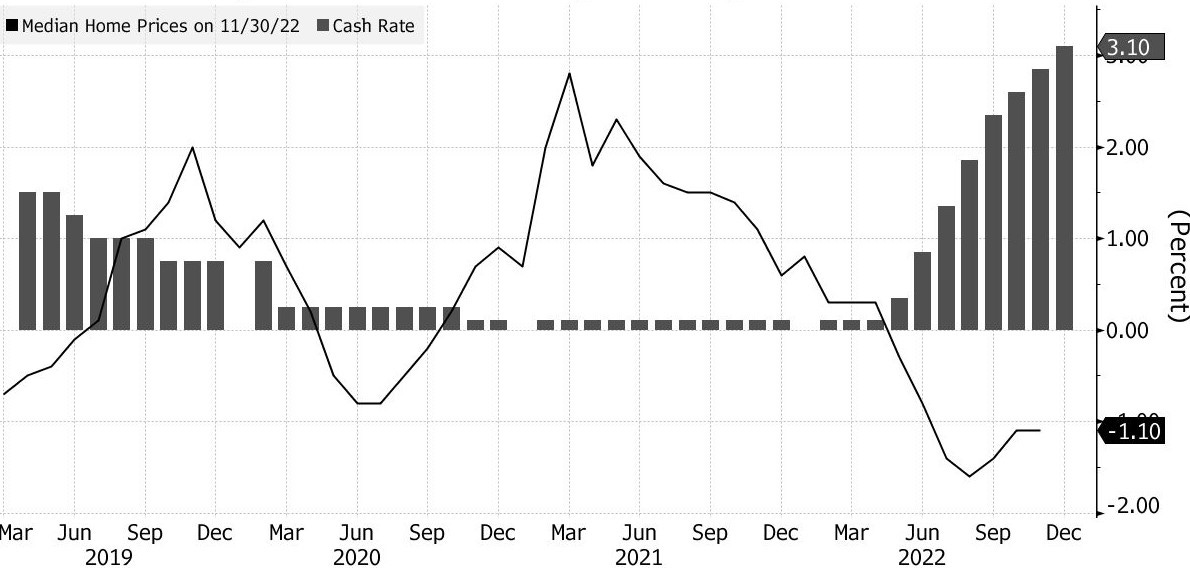
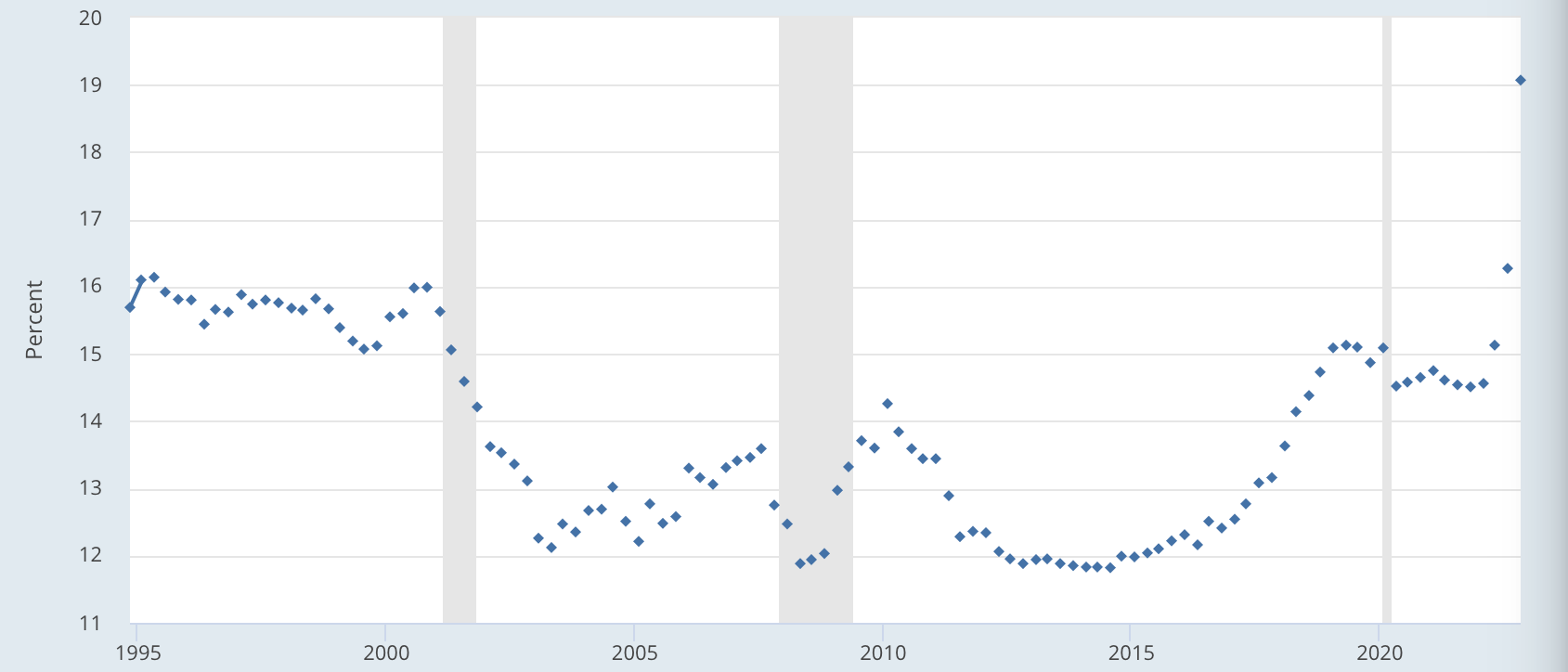
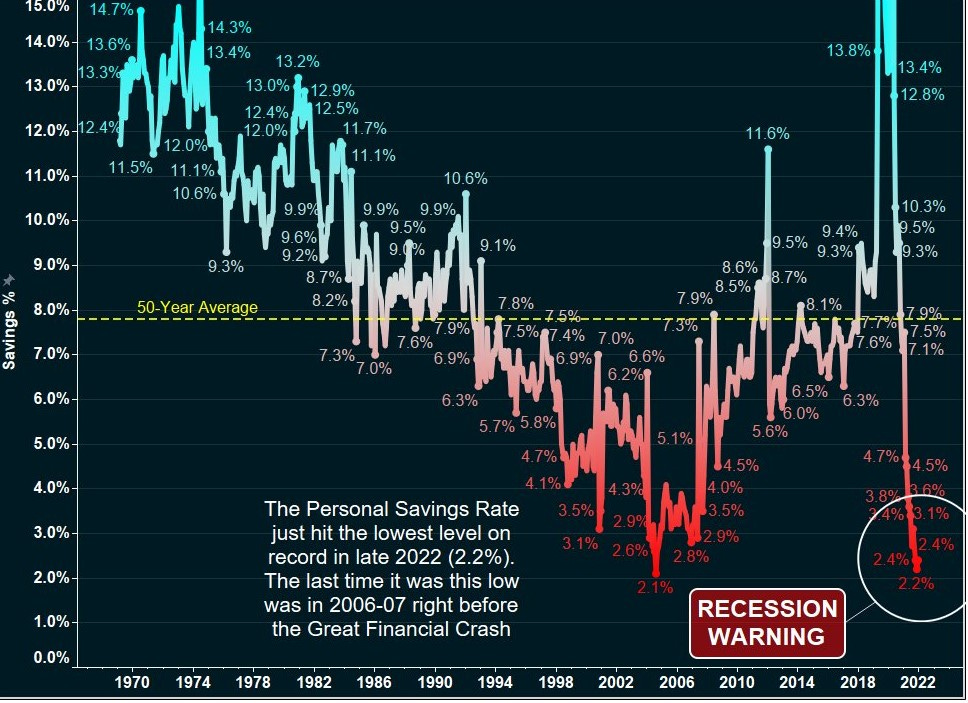
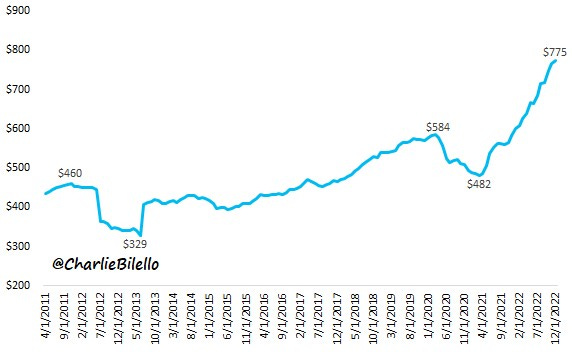
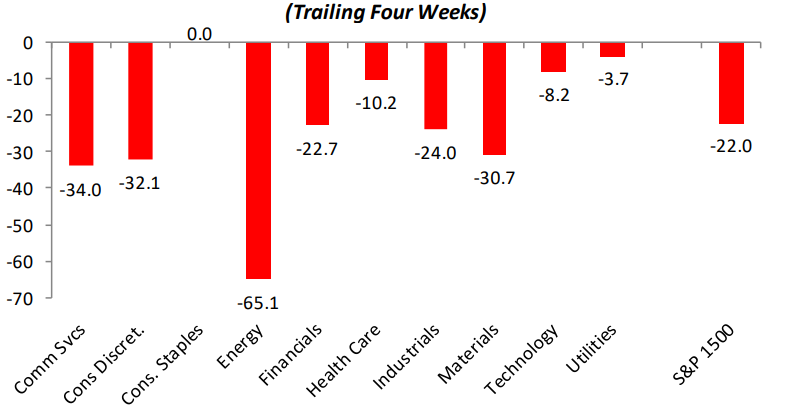
Source: Bloomberg It's often said the central banks will keep pushing until something breaks. The only way interest rates will not follow that trajectory is if US summer economic data is so weak that a pause in hikes is considered, which is becoming more likely by year's end. The risk for marketsIf the futures markets are correct, homeowners will see a significant increase in mortgage repayments by December. The RBA's 50bp rate rise in June woke many people up, and the domestic housing market is already coming under pressure. The biggest risk for markets is whether the US enters a recession. If it does, S&P500 could fall another 15% - which would have an impact on Australia. If not, the falls will be more modest. In the global economy, wage pressure continues to build as the consumer is squeezed by higher costs of everything, from rents to fuel. We believe high debt levels make the global and Australian economy particularly vulnerable. The current level of inflation likely also explains why consumer confidence is falling, and it's pushed the University of Michigan index just below record lows. Consumer confidence is a key driver of consumer consumption, which drives around 70% of the US GDP.
Source: Bloomberg Heading for recession?Every recession in the past 40 years has been preceded by an inverted yield curve, and the yield curve inverted in early April. Looking historically, the time interval between inversion and recession averages about 10 to 12 months. The US Fed needs to slow demand and can only do so by delivering "shock therapy" - by impacting consumers' wealth (via stocks and house prices). The Fed will take every rate rise the market gives it, but at the end of the day raising rates is a blunt instrument. It's rare for central banks to engineer soft landings, particularly when inflation is above 5%. So, we believe the US is headed for a recession. This view runs somewhat counter to consensus. Until recently, most US economists had been suggesting there were no signs of a slowdown in US economic data, but the stock market indicates otherwise. There's also, of course, an unwind of the central bank's balance sheet, which started this month in the US. The expansion of central bank balance sheets has inflated share prices in multiples since the GFC. It stands to reason that the opposite is also true. Federal Reserve Chair Jerome Powell's mandate is to tame inflation. We're very early along the tightening journey - we've only had three interest rates rises so far, and the pain may be ahead of us more so than behind us. Although, it's way too early in the rate hiking cycle to think about fighting central banks.
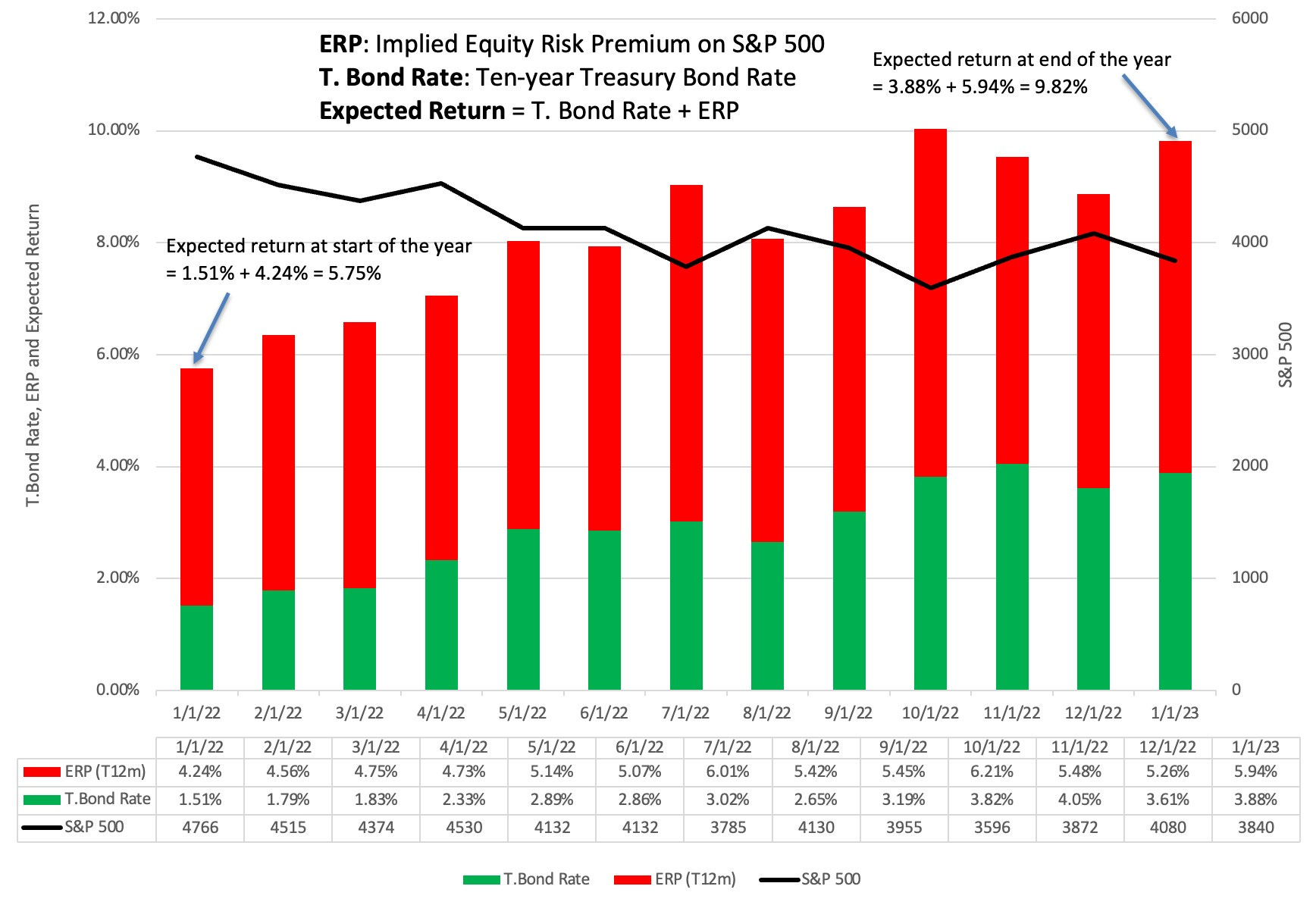
Source: Bloomberg Our outlookWe're long some defensive businesses, including Bapcor, Tabcorp and The Lottery Corporation. Auto parts are generally essential for car maintenance, while lottery tickets have proven to be very defensive during recessions. The market wants current earnings, not future long-dated earnings, and certainly not loss makers. Loss makers have no valuation support and 17% of ASX300 are loss makers (even if some are temporary like FLT, WEB). Some don't even have any significant revenue. This basket is where we are hunting for short ideas. We're short high multiple stocks - those with long earnings duration and loss makers. Of course, a constant risk for us is "bear market rallies" - these can be violent, so we're cautious of being too aggressive in our short book. We haven't seen the capitulation yet. It is worth noting Cathie Wood's beaten-down ARK Invest is still seeing inflows, even though ARK is off c.60%. This shows investors are still looking to buy the dips. The MSCI AC World 12m forward PE has derated from a peak 20x to 14x. However, global equity markets do not yet look especially cheap against history. For example, a drop to the 10x multiple seen during the 2011-12 Eurozone crisis would imply another ~30% derating. We'll be watching the economic data closely, with a particular focus on inflation, bond yields and whether central banks are forced to pause their tightening due to economic damage. |
|
Funds operated by this manager: Bennelong Kardinia Absolute Return Fund |
|
The content contained in this article represents the opinions of the author/s. The author/s may hold either long or short positions in securities of various companies discussed in the article. This commentary in no way constitutes a solicitation of business or investment advice. It is intended solely as an avenue for the author/s to express their personal views on investing and for the entertainment of the reader. |

22 Jul 2022 - Hedge Clippings |22 July 2022
|
|
|
|
Hedge Clippings | Friday, 22 July 2022
You probably don't need Hedge Clippings to bring to your attention what a miserable first half of 2022 it has been: Putin's invasion of Ukraine; incessant rain in Queensland and NSW leading to multiple "1 in 100 year" floods; a continuation - and now apparently an uptick of COVID cases; and in Europe and North America, a heat wave and catastrophic fires. All that before we even consider the economy and markets, where the emergence of long dormant inflation has led to increased interest rates, and the resulting equity price bubble well and truly bursting. A cursory glance at FundMonitors' Peer Group tables shows a sea of negative numbers, as do the major indices such as the ASX, Dow Jones, S&P500 and Nasdaq. These in turn have resulted in widespread negative returns from managed funds - particularly from some of those that had previously benefitted from said price bubble, and had crowed about their "skill" in riding it. Remember that old saying about roosters to feather dusters? Other fund managers, possibly older and wiser, were content to take what returns they could, when they could, understanding that nothing lasts forever. Looking at the Top Ten performing funds over the 12 months to June, avoiding long only equities, and particularly the small cap sector, was the place to be, with managed futures/currency funds taking out four of the top ten places, long/short of one iteration or another a further four, one private equity, and digital, or cryptocurrency, taking the last spot (+22.28%) in spite of Bitcoin's implosion. Naturally, Equity Alternative Funds performed well compared with the Long Only sector in a reversal of the broad sector performance over the past couple of years. Singling out Australian Equity Long funds, there were still some impressive performances, albeit fewer of them, and with more subdued results ranging from +21.22% down to 4.94% - still impressive given the underlying markets: To view performance and fact sheets of all 700 funds, click here. News & Insights Consider the evidence for long term returns | Glenmore Asset Management The Long and The Short: Finding solace in the short | Kardinia Capital 10k Words | Equitable Investors |
|
|
June 2022 Performance News Delft Partners Global High Conviction Strategy Digital Asset Fund (Digital Opportunities Class) Bennelong Kardinia Absolute Return Fund |
|
|
If you'd like to receive Hedge Clippings direct to your inbox each Friday
|

22 Jul 2022 - Performance Report: Bennelong Emerging Companies Fund
| Report Date | |
| Manager | |
| Fund Name | |
| Strategy | |
| Latest Return Date | |
| Latest Return | |
| Latest 6 Months | |
| Latest 12 Months | |
| Latest 24 Months (pa) | |
| Annualised Since Inception | |
| Inception Date | |
| FUM (millions) | |
| Fund Overview | |
| Manager Comments | The Bennelong Emerging Companies Fund has a track record of 4 years and 8 months and therefore comparison over all market conditions and against its peers is limited. However, the fund has outperformed the ASX 200 Total Return Index since inception in November 2017, providing investors with an annualised return of 15.97% compared with the index's return of 6.27% over the same period. On a calendar year basis, the fund has only experienced a negative annual return once in the 4 years and 8 months since its inception. Over the past 12 months, the fund's largest drawdown was -31.44% vs the index's -11.9%, and since inception in November 2017 the fund's largest drawdown was -41.74% vs the index's maximum drawdown over the same period of -26.75%. The fund's maximum drawdown began in December 2019 and lasted 10 months, reaching its lowest point during March 2020. The fund had completely recovered its losses by October 2020. The Manager has delivered these returns with 15.01% more volatility than the index, contributing to a Sharpe ratio which has fallen below 1 four times over the past four years and which currently sits at 0.62 since inception. The fund has provided positive monthly returns 81% of the time in rising markets and 32% of the time during periods of market decline, contributing to an up-capture ratio since inception of 270% and a down-capture ratio of 125%. |
| More Information |

.png)