


NEWS

27 Nov 2023 - Performance Report: Emit Capital Climate Finance Equity Fund
[Current Manager Report if available]

27 Nov 2023 - New Funds on Fundmonitors.com
|
New Funds on FundMonitors.com |
|
Below are some of the funds we've recently added to our database. Follow the links to view each fund's profile, where you'll have access to their offer documents, monthly reports, historical returns, performance analytics, rankings, research, platform availability, and news & insights. |
 |
||||||||||||||||||||
| EQT Tax Aware Australian Share Fund (Retail) | ||||||||||||||||||||
|
||||||||||||||||||||
| View Profile | ||||||||||||||||||||
| EQT Tax Aware Australian Share Fund (Wholesale) | ||||||||||||||||||||
|
||||||||||||||||||||
| View Profile | ||||||||||||||||||||
| EQT Tax Aware Diversified Fund | ||||||||||||||||||||
|
||||||||||||||||||||
| View Profile | ||||||||||||||||||||
| EQT Diversified Fixed Income Fund (Retail) | ||||||||||||||||||||
|
||||||||||||||||||||
| EQT Diversified Fixed Income Fund (Wholesale) | ||||||||||||||||||||
|
||||||||||||||||||||
| View Profile | ||||||||||||||||||||
 |
||||||||||||||||||||
| Maple-Brown Abbott Australian Sustainable Future Fund | ||||||||||||||||||||
|
||||||||||||||||||||
| View Profile | ||||||||||||||||||||
|
Want to see more funds? |
||||||||||||||||||||
|
Subscribe for full access to these funds and over 750 others |

24 Nov 2023 - Hedge Clippings | 24 November 2023
|
|
|
|
Hedge Clippings | 24 November 2023 As much as we'd like to move on from discussing inflation in Hedge Clippings each week, the reality is that while lower than it was, it will be some time before the genie is safely back in the bottle. And while that's the case, there's little chance of interest rates falling, either locally or offshore in the US, UK or Europe. In the US there were hopes that they might consider easing sooner rather than later, but more recent minutes from the Federal Reserve's November meeting indicate a distinct unwillingness to do so, fearing that pivoting to a downward trend in rates too soon would potentially waste the hard won success to date. If anything the Fed warned rates could still rise if required, and meanwhile they'd "proceed carefully" before moving. In the UK - where inflation has been as high as 11% and is now back down to 4.6% - the message is the same. The UK kept rates steady at 5.25% for the second time following 14 consecutive hikes, but BoE governor Andrew Bailey was clear that he wasn't going to be rushed into cuts, saying the fear of persistent inflation was too great to risk doing so. Equally ECB president Christine Lagarde echoed those thoughts. Meanwhile at home freshly appointed RBA governor Michele Bullock scotched any thoughts that the fight had been won, even singling out dentists and hairdressers as jumping on the price rise bandwagon and pushing up inflation in the services sector. While unlikely that there'll be a further rate rise in December, and with no RBA meeting in January, it doesn't rule out yet another move upward in February or March. If anything Bullock is sounding more hawkish than Philip Lowe, possibly because she doesn't have his legacy of saying rates wouldn't rise until 2024. As Bullock noted in her speech to economists during the week, interest rates are a "blunt instrument" when it comes to taming inflation, but it's also pretty much the only instrument she has. And as we've noted before, that instrument strikes those least able to cope, assuming they have a mortgage. What hasn't happened yet - and we don't believe it will - is that increased mortgage rates will lead to an increase in arrears, and subsequently forced sales and falling house prices. That scenario would only be predicated on a full scale recession, which we also think unlikely. Even without a mortgage, rental rates are also increasing as investors strive to offset increased repayments, added to which the overall housing shortage is being magnified by short terms rentals via the likes of Airbnb, and high levels of immigration. So the outlook remains for inflation to remain front and centre, and therefore on our weekly agenda, for some time to come. Meanwhile, this week marked a few milestones and anniversaries - the most poignant one probably being the assassination of President Kennedy in Dallas 60 years ago last Wednesday. Once known by all those old enough to remember where they were when they heard the news, there's now a whole generation for whom the death of JFK is just a page in the history books. More up to date, and still on the subject of US presidents, three years ago today the formal transition to Joe Biden's administration began - so that's three years of Donald Trump claiming he didn't lose the election. You can't say he isn't persistent! News & Insights New Funds on FundMonitors.com Investment Perspectives: What does 'higher for longer' mean for real estate? | Quay Global Investors Stock Story: ResMed | Airlie Funds Management Events & Webinars October 2023 Performance News Bennelong Long Short Equity Fund Bennelong Twenty20 Australian Equities Fund Digital Asset Fund (Digital Opportunities Class) |
|
|
If you'd like to receive Hedge Clippings direct to your inbox each Friday |

24 Nov 2023 - Performance Report: PURE Income & Growth Fund
[Current Manager Report if available]

24 Nov 2023 - Where nature meets business: The TNFD framework.
|
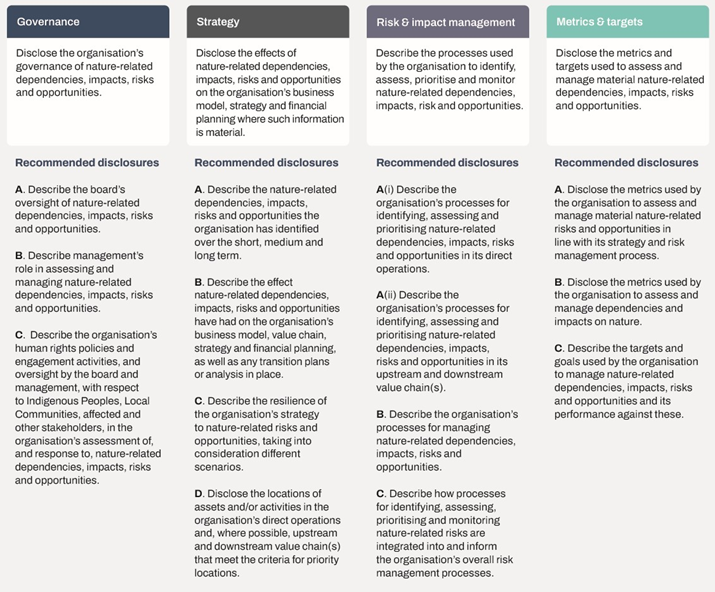
Where nature meets business: The TNFD framework. Tyndall Asset Management October 2022 The Taskforce on Nature-related Financial Disclosures (TNFD) is an international initiative that is developing a framework for companies and financial institutions to disclose their nature-related risks and opportunities. Climate and net-zero commitments are well understood, with corporations relying on the Taskforce for Climate-related Financial Disclosures that released a set of recommendations in 2017. The idea of TNFD is not entirely new. It has built upon the foundational success of the Task Force on Climate-Related Financial Disclosures (TCFD), which focuses on the financial implications of climate change for companies. However, as the global dialogue evolved, it became clear that climate was only a part of the broader environmental narrative. Biodiversity loss, land degradation, and ecosystem collapse pose significant risks to economies and businesses around the globe. The TNFD first came into existence in June 2021 to address this gap and ensure a holistic environmental approach in corporate disclosures. Importance of a nature-positive economyA 'nature-positive economy' is essential for a sustainable future and is a key concept that drives the TNFD framework. A nature-positive economy is an economy that has a net positive impact on nature, an economy that restores and regenerates nature rather than depleting it. Nature provides us with essential ecosystem services, such as clean air and water, food, and climate regulation. Without a healthy natural environment, our economy and society cannot thrive. The transition to a nature-positive economy is essential for a sustainable future. However, it is a transition that will require a concerted effort from all stakeholders, including governments, businesses, and individuals. The sectors that have the most impact on biodiversity are the logical companies that will be the early adopters of the TNFD recommendations. These sectors include materials, energy, agriculture and food & beverage. A framework for nature-based solutionsThe TNFD's final framework was published in mid-September 2023. It includes 14 recommended disclosures covering nature-related issues, impacts, risks and opportunities that are structured around four pillars (refer Figure 1). Figure 1: TNFD's recommended disclosures
Source: TNFD, Sept 2023. It is hoped that the TNFD provides a clear, structured framework that help corporates understand the implications of biodiversity and natural capital for their activities. The framework is intended to assist corporates and financial institutions manage their nature-related risks and opportunities, and to support the transition to a nature-positive economy. While it is largely based on the TCFD framework, it also considers the specific risks and opportunities associated with nature.
The TNFD framework is expected to be a valuable tool for companies and financial institutions to manage nature-related risks and opportunities. It will also help to promote the transition to a nature-positive economy. Some of the benefits of the TNFD framework include:
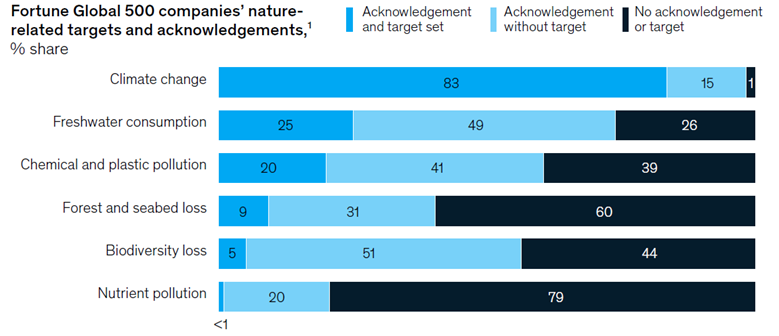
Global progressAlthough the TNFD framework has only recently been settled; governments and intergovernmental organisations have increasingly called attention to the impact on nature. Pleasingly, a rising number of businesses have made pledges relating to biodiversity. Figure 2: Corporate targets are less common for other dimensions of nature compares to climate change
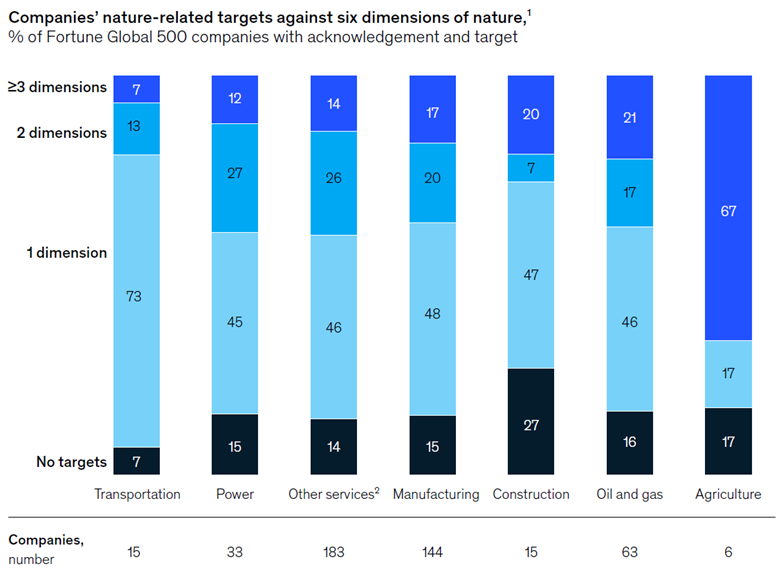
Source: McKinsey McKinsey has calculated that ~47% of Fortune Global 500 companies have set nature-related targets against one dimension of nature - generally this is against climate (refer Figure 2). Approximately 16% have set targets against three or more dimensions of nature and no companies have targets against all six dimensions that were looked at in this analysis. The Science-Based Targets for Nature (SBTN) initiative suggests that companies are more likely to focus on the key issues that directly impact their activities which could explain why no company has set targets against all six dimensions. Cutting the data based on a sector level reveals that the sectors that have a higher exposure to biodiversity risk are leading the charge on target setting. Figure 3: Fortune Global 500 Companies' nature-related targets by sector
Source: McKinsey Implementation of TNFDImplementing TNFD is not without its challenges. In particular, there's a need for:
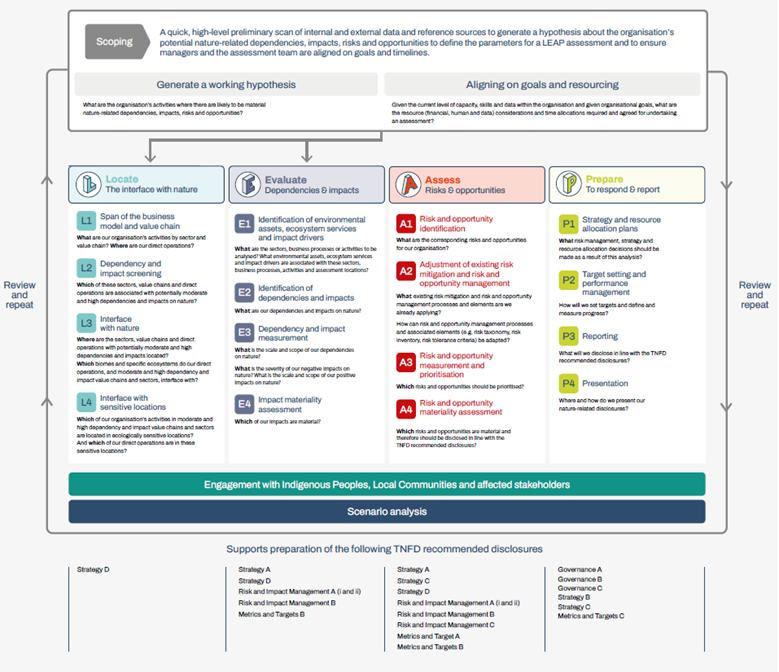
The framework is consistent with the recommended standards of the TCFD, ISSB (International Sustainability Standards Board) and GRI (Global Reporting Initiative). The recommendations have an intention to provide a practical solution for corporates to start their journey to increase the scope and disclosures over the coming years. The expectation is that, as with climate-related reporting, TNFD disclosures will improve over time. The LEAP approach - Locate, Evaluate, Assess and Prepare - has been developed by the TNFD to help organisations to identify, assess and manage nature-related risks and opportunities. While the approach is not a requirement, it is designed to help with identification and assessment. Figure 4 provides an overview of LEAP and its elements, which covers:
Figure 4: The TNFD approach for identification and assessment of nature-related
Source: TNFD, Sept 2023 Conclusion While the challenges are significant, the TNFD offers a critical pathway for integrating nature into financial decision-making and improving outcomes for our environment. The success of the TCFD suggests that with global cooperation and commitment, the TNFD can become an influential tool in driving sustainable business practices. Governments, financial institutions, environmental organizations, and businesses all have important roles to play. By implementing frameworks such as the TNFD, the global community takes a step closer to ensuring that the economic activities of today do not compromise the planet's well-being tomorrow. The shift from merely profit-driven strategies to those that also account for nature-related impacts signifies an evolution in global business practices. It is an evolution that is not just commendable but essential for the longevity and prosperity of both businesses and the planet. Tyndall will be increasingly engaging with corporates around biodiversity and promoting the implementation of the TNFD framework, as we have been with TCFD. According to work by Jarden, only 12 (24%) of ASX50 companies have nature-related targets. It was noted that BHP, Woolworths, South 32 and Origin Energy had undertaken TNFD pilots, and only Brambles and South 32 have linked nature to remuneration. Clearly, there is plenty of improvement required. We expect that those companies in sectors more exposed to nature-related risks such as agriculture, food and beverage, and mining, are likely to lead the charge. Author: Brad Potter, Head of Australian Equities Funds operated by this manager: Tyndall Australian Share Concentrated Fund, Tyndall Australian Share Income Fund, Tyndall Australian Share Wholesale Fund |

23 Nov 2023 - Renewable energy stocks: changing winds?
|
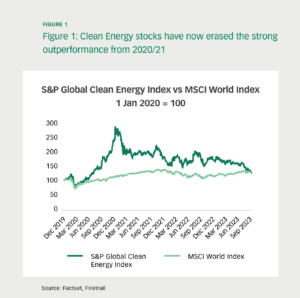
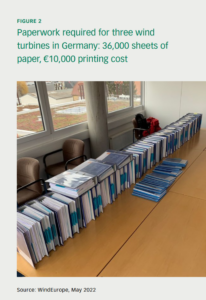
Renewable energy stocks: changing winds? Firetrail Investments October 2023 Decarbonisation is one of the most important challenges of our time, but it is also often one of the most difficult to successfully invest in. Renewable energy stocks have been among the most popular and talked about investments in recent years, thanks to low interest rates, government subsidies, and strong demand from consumers and investors who want to support a greener future. However, valuations of these stocks became very expensive, reflecting their current leadership rather than their future potential. In this article, we will explain why we have been cautious about investing in renewable energy stocks and where we see better opportunities in the energy sector. |

22 Nov 2023 - Performance Report: Digital Asset Fund (Digital Opportunities Class)
[Current Manager Report if available]

22 Nov 2023 - Stock Story: ResMed
|
Stock Story: ResMed Airlie Funds Management October 2023 |
|
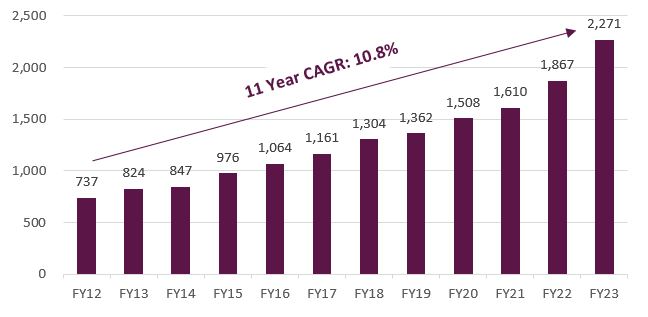
ResMed is the global leader in sleep and respiratory care primarily focused on the development and sale of positive airway pressure devices and accessories for the treatment of obstructive sleep apnoea (OSA). ResMed's share price has fallen 30% since the release of its FY23 results in August largely in response to concerns GLP-1 (Glucagon-Like Peptide-1) drugs may reduce its addressable market. In this article, we discuss the business in more detail and why we think the GLP-1 concerns are overdone. What is Obstructive Sleep Apnoea (OSA)?Obstructive sleep apnoea is a chronic illness that occurs when the muscles that support tissues in the back of the throat relax during sleep, blocking or narrowing the upper airway. This obstruction leads to impaired breathing for a short period (usually 10-20 seconds), which results in lower oxygen in the blood. The brain senses the impaired breathing, causing the individual to subconsciously rouse from sleep in order to reopen the airway. The severity of OSA is characterised by the number of events per hour: Normal < 5; Moderate 15-30; Severe > 30. Continuous Positive Airway Pressure (CPAP) devices are the accepted standard of care for treating OSA, delivering a stream of pressurised air through a mask to prevent the collapse of the upper airway during sleep. ResMed is the largest manufacturer of these products and we estimate the company currently has ~80% market share with its major competitor Philips out of the market for the past two years due to an FDA-imposed product recall. Large, undiagnosed addressable marketThe OSA market is large and mostly undiagnosed. According to the company, there are 936 million people globally with sleep apnoea and 424 million of these suffer from severe sleep apnoea. The size of the addressable market is evidenced by the fact ResMed had grown its device revenue at over 9% p.a. in the six years prior to the Philips recall (FY13-FY19). Recent growth rates have been even higher. ResMed estimates that penetration currently sits at 20% in the US and well below this percentage globally, which implies a long runway for future device and mask sales. Figure 1 - ResMed device revenue (US$) One of the highest-quality companies on the ASXAs with any new position, we tested ResMed against our key investment criteria and consider the business to be high quality based on the following factors:
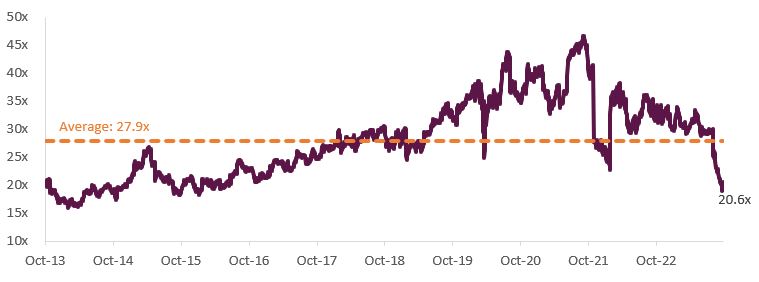
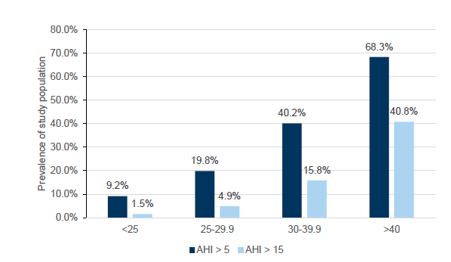
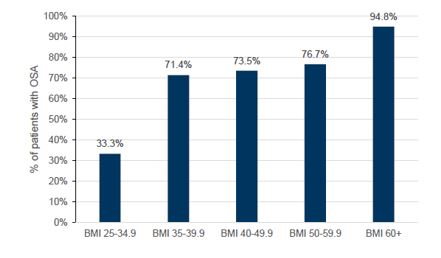
GLP-1 concerns and valuationResMed has historically traded on a forward multiple of 28x PE but is currently trading on less than 21x PE due to market concerns about GLP-1 drugs reducing ResMed's addressable market. Figure 2 - ResMed NTM Rolling PE GLP-1 drugs (branded as Ozempic, Wegovy and Mounjaro) act by mimicking hormones that are released into the gastrointestinal tract in response to eating. These drugs were initially developed to target type 2 diabetes by stimulating more insulin production but have evolved to potential applications in weight management and cardiovascular indications. Given obesity is a key risk factor for OSA (see Figures 3 and 4), there is a view that significant weight reduction from taking GLP-1s may result in reduced demand for CPAP therapy. Figure 3 - OSA severity by AHI (>5 mild) and (>15 moderate)
While we are not medical experts, we consider the significant de-rate to be an overreaction for the following reasons:
ConclusionOverall, we think the uncertainty as to the potential penetration and success of these drugs in treating OSA has created a rare opportunity to invest in one of the highest quality companies on the ASX. While we are unlikely to pick the bottom, we believe the company is trading well below its intrinsic value. By Vinay Ranjan, Senior Equities Analyst Funds operated by this manager: Important Information: This material has been delivered to you by Magellan Asset Management Limited ABN 31 120 593 946 AFS Licence No. 304 301 trading as Airlie Funds Management ('Airlie') and has been prepared for general information purposes only and must not be construed as investment advice or as an investment recommendation. This material does not take into account your investment objectives, financial situation or particular needs. This material does not constitute an offer or inducement to engage in an investment activity nor does it form part of any offer documentation, offer or invitation to purchase, sell or subscribe for interests in any type of investment product or service. You should obtain and consider the relevant Product Disclosure Statement ('PDS') and Target Market Determination ('TMD') and consider obtaining professional investment advice tailored to your specific circumstances before making a decision about whether to acquire, or continue to hold, the relevant financial product. A copy of the relevant PDS and TMD relating to an Airlie financial product or service may be obtained by calling +61 2 9235 4760 or by visiting www.airliefundsmanagement.com.au. Past performance is not necessarily indicative of future results and no person guarantees the future performance of any financial product or service, the amount or timing of any return from it, that asset allocations will be met, that it will be able to implement its investment strategy or that its investment objectives will be achieved. This material may contain 'forward-looking statements'. Actual events or results or the actual performance of an Airlie financial product or service may differ materially from those reflected or contemplated in such forward-looking statements. This material may include data, research and other information from third party sources. Airlie makes no guarantee that such information is accurate, complete or timely and does not provide any warranties regarding results obtained from its use. This information is subject to change at any time and no person has any responsibility to update any of the information provided in this material. Statements contained in this material that are not historical facts are based on current expectations, estimates, projections, opinions and beliefs of Airlie. Such statements involve known and unknown risks, uncertainties and other factors, and undue reliance should not be placed thereon. No representation or warranty is made with respect to the accuracy or completeness of any of the information contained in this material. Airlie will not be responsible or liable for any losses arising from your use or reliance upon any part of the information contained in this material. Any third party trademarks contained herein are the property of their respective owners and Airlie claims no ownership in, nor any affiliation with, such trademarks. Any third party trademarks that appear in this material are used for information purposes and only to identify the company names or brands of their respective owners. No affiliation, sponsorship or endorsement should be inferred from the use of these trademarks. This material and the information contained within it may not be reproduced, or disclosed, in whole or in part, without the prior written consent of Airlie. |


21 Nov 2023 - Performance Report: Bennelong Twenty20 Australian Equities Fund
[Current Manager Report if available]

